EN
EN

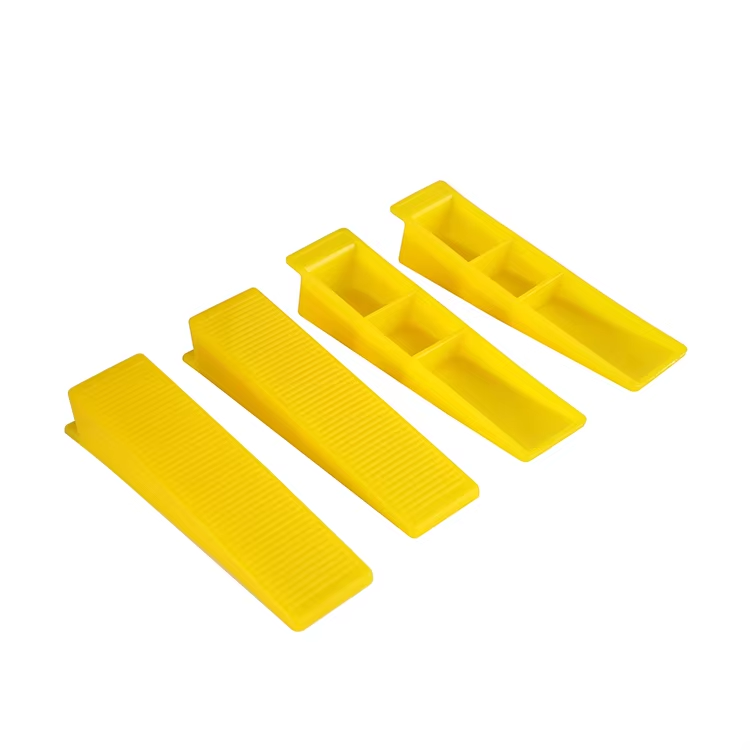
Laattojen epätasaisuuden poistaminen: kuinka laattatasausjärjestelmä ratkaisee tasaisuuden numero yksi -haasteen
Laattojen epätasaisuuden fysiikka – miksi perinteiset etäisyyspidikkeet ja tapaaminen eivät toimi käytännön olosuhteissa
Perinteiset laatoitusvälikappaleet luovat yhtenäiset välit, mutta eivät vaikuta pystysuoraan sijoittumiseen – jolloin korkeuserot jäävät huomiotta. Alustan liike, epätasainen laattalaastin kerros ja laattojen luonnollinen taipuminen aiheuttavat sivuttaisia ja ylöspäin suuntautuvia voimia, joita välikappaleet eivät pysty vastatoimaan. Manuaalinen naputus voi tilapäisesti tasata pinnat, mutta kun laastin kovettuminen alkaa, kutistuminen vetää laattoja epätasaisesti, mikä saa reunat tai kulmat nousemaan esiin – ilmiö, jota kutsutaan lipppaukseksi. Tämä ongelma pahenee merkittävästi suurikokoisten laattojen kanssa, joissa jopa 0,5°:n kulmapoikkeama kertyy pituussuunnassa, mikä tekee visuaalisista ja tuntoon perustuvista virheistä välttämättömiä ilman mekaanista puuttumista.
Todellisaikainen mekaaninen korjaus: kuinka laattatasausjärjestelmät lukitsevat sijoittelun kovettumisen aikana
Laattatasausjärjestelmä kohdistaa jatkuvaa, kalibroitua alaspäin suuntautuvaa painetta koko laastin kovettumisprosessin ajan. Vierekkäisten laattojen reunojen alle kiinnitetyt kiinnikkeet yhdistyvät säädettäviin kanteen, jotka puristavat kokoonpanon yhdeksi vakaaksi tasoksi. Tämä jatkuva jännitys neutraloi aktiivisesti kolme pääasiallista reunakorkeuseroa aiheuttavaa tekijää: laastin kutistumisen, alustan epätasaisuudet ja laattojen vääntymisen. Toisin kuin manuaaliset menetelmät, joissa vaaditaan toistuvaa tarkistusta ja korjaamista, järjestelmä pitää laattojen sijoituksen itsenäisesti tasalla – estäen siirtymän ja varmistamalla yhtenäisen korkeuden asennuksesta lopulliseen kovettumiseen asti.
Todennetut tulokset: 92 % vähentynyt reunakorkeuseroa koskevien valklujen määrä (NTCA:n kenttätutkimus 2023)
Kansallisen laatoitusurakoitsijoiden liiton vuoden 2023 kenttätutkimuksen mukaan, jossa tarkasteltiin 517 asennusta, urakoitsijat, jotka käyttivät laatoitusasennustasausjärjestelmiä, ilmoittivat 92 %:n vähentymästä lippanaisten aiheuttamista takaisinkutsuista. Projekteissa, joissa ei käytetty tasausjärjestelmiä, keskimäärin tehtiin 3,2 korjausta 100 m²:lle; niissä, joissa tasausjärjestelmiä käytettiin, luku laski vain 0,25:een. Erityisesti suurikokoisten laattojen asennuksissa hylkäysprosentti laski 18 %:sta 1,4 %:iin, kun käytettiin integroituja kiinnityslevy- ja kolkkojärjestelmiä. Nämä tulokset vahvistavat, että mekaaninen reaaliaikainen korjaus – ei toistuvaa säätöä – on tehokkain ja laajennettavissa oleva ratkaisu alan tärkeimpään tasaisuusongelmaan.
Laatoitusasennustasausjärjestelmien tehokkuuden hyödyntäminen urakoitsijoiden kannattavuuden parantamiseksi
Aikasäästö: 37 % nopeampi suurikokoisten laattojen asettelun ja asennuksen toteuttaminen (urakoitsijoiden vertailutieto vuodelta 2024)
Kaupallisten vertailulukujen mukaan vuodelta 2024 laattatasausjärjestelmät vähentävät suurikokoisten laattojen asennusaikaa 37 % verrattuna perinteisiin välys- ja kopautusmenetelmiin. Kiinnitysmekanismi lukitsee sijoituksen paikoilleen kovettumisen aikana, mikä mahdollistaa työryhmien siirtymisen saumattomasti viereisille alueille ilman taukoja uudelleen tarkistuksia tai uudelleen kopautusta varten. Integroidut kylkit luovat yhtenäiset liitosraot välittömästi – toistuvaa mittailua tai kylkien säätämistä ei vaadita. Kaupallisissa hankkeissa jokainen 10 %:n ajan säästö säästää noin 1,5 työpäivää jokaista 1 000 neliöjalkaa kohden, mikä johtaa suoraan nopeampaan hankkeen valmiiseen toimitukseen ja parantuneeseen työryhmän hyödyntämiseen.
Tuottoanalyysi: Kustannusten takaisin saaminen vain 3–5 hankkeessa vähentyneen korjauksen ja työvoiman avulla
Alkuperäinen investointi laattatasausjärjestelmään kattautuu yleensä 3–5 asuinkohteen työssä tai yhdessä keskikokoisessa kaupallisessa hankkeessa. Koska työvoimakustannukset muodostavat 40–50 % kokonaishankintakustannuksista ja liukumisen aiheuttama uudelleentyöskentely on perinteisesti kuluttanut 15–20 % hankkeen budjetista, tämän hukkaamisen poistaminen tuottaa välittömästi paremman bruttokateprosentin. Jokainen vältetty purku säästää keskimäärin 740 dollaria (Ponemon Institute, 2023), kun taas tarkka sijoittelu vähentää materiaalihävikkiä – mikä on erityisen tärkeää kalliiden kivilaattojen tai porseena-laattojen kanssa, joiden hinta vaihtelee 15–50 dollaria neliöjalkaa kohden. Yhteensä nämä tehostukset tuottavat 20–25 % korkeamman bruttokateprosentin korkealuokkaisten asennusten yhteydessä.
Reputaation ja asiakkaan luottamuksen suojaaminen oikein tehtyillä asennuksilla ensimmäisellä kerralla
Yksittäinen virheellinen asennus voi pysyvästi vahingoittaa ammattimaista uskottavuutta—erityisesti silloin, kun asiakkaat ovat sijoittaneet korkealaatuisiin materiaaleihin ja odottavat virheetöntä toteutusta. Laattojen epätasaisuus (lippage), epätasaiset pinnat tai halkeilevat laatat aiheuttavat välittömästi luottamuksen menetyksen, negatiivisia verkkopalauteita ja kalliita takuukorvauksia. Laattatasausjärjestelmät varmistavat oikean tuloksen ensimmäisellä kerralla mekaanisesti lukitsemalla laattojen sijoittelun kovettumisen aikana—estäen uudelleenasennusten tarpeen jo ennen niiden alkamista. Urakoitsijat, jotka saavuttavat johdonmukaisesti virheettömiä tuloksia, ilmoittavat 72 % korkeammasta suositteluprosentista (NTCA:n ja CTEF:n yhteisanalyysi), mikä muuttaa tyytyväiset asiakkaat organiseksi markkinointiresurssiksi. Tämä luotettavuus vahvistaa teknistä asiantuntemusta, tukee korkeampia hinnoittelutasoja ja rakentaa pitkäaikaista brändiarvoa markkinoilla, joissa maine määritellään todennettavissa olevista tuloksista—ei lupauksista.
Oikean laattatasausjärjestelmän valinta projektisi laajuuden mukaan
Kiinnitysvoiman, etäisyyden ja alustan vakauden sovittaminen laattojen kokoön ja alustaan
Optimaalisen laattatasausjärjestelmän valinta perustuu siihen, että laitteiston suorituskyky sovitetaan työkohteen vaatimuksiin. Suuremmat ja painavammat laatat – erityisesti kivi- ja tiukka porseleani – vaativat korkeampaa kiinnitysvoimaa, jotta ne eivät laskeutuisi omasta painostaan. Välimatkan leveyden on tasapainotettava lämpölaajenemisen vaatimukset ja liitoksen yhtenäisyys, kun taas pohjan vakaus varmistaa, ettei sivusuuntaista siirtymää tapahdu joustavilla tai epätasaisilla alustoilla. Kenttätiedot osoittavat, että väärin sovitut parametrit lisäävät reunojen epätasaisuusriskiä jopa 40 prosenttia. Vaativiin sovelluksiin tulisi priorisoida järjestelmiä, joissa on mikrosäädettävä jännitys ja matalaprofiilinen, luistamaton pohja. On aina otettava huomioon liimausmassan paksuus ja alustan jäykkyys: pehmeämpi alusta vaatii tehokkaampaa vakautta, kun taas paksuimmat liimausmassakerrokset edellyttävät pidempää ulottuvuutta ja suurempaa puristuskestävyyttä. Oikea määrittely estää halkeamia, vähentää takaisinkutsuja ja turvaa tehokkuuden sekä asuinrakennusten että kaupallisten rakennusten laattojen asennuksessa.
Usein kysytyt kysymykset
Mitä tarkoittaa laattojen reunojen epätasaisuus (lippage) laattojen asennuksessa?
Lippage viittaa laatoituksen tilanteeseen, jossa vierekkäisten laattojen reunat tai kulmat ovat epätasaiset, mikä aiheuttaa huomattavan korkeuseron.
Kuinka laatan tasausjärjestelmä estää lippagea?
Laatan tasausjärjestelmä kohdistaa vakioista, kalibroitua painetta vierekkäisiin laattoihin liima-aineen kovettumisprosessin aikana, mikä varmistaa, että laatat pysyvät samassa tasossa ja estää korkeuseroja, jotka johtuvat kutistumisesta, alustan epätasaisuuksista tai laattojen vääntymisestä.
Soveltuvatko laatan tasausjärjestelmät suurikokoisille laatoille?
Kyllä, laatan tasausjärjestelmät ovat erityisen tehokkaita suurikokoisille laatoille, joissa pienikin kulmien poikkeama voi aiheuttaa visuaalisesti havaittavaa lippagea suuremmilla alueilla.
Kuinka paljon aikaa laatan tasausjärjestelmät voivat säästää asennuksen aikana?
Laatan tasausjärjestelmät voivat vähentää asennusaikaa noin 37 %:lla, erityisesti suurikokoisilla laatoilla, koska ne poistavat toistuvat säätötoimet ja parantavat asennussuunnittelun tehokkuutta.
Mikä on laatan tasausjärjestelmään tehdyn investoinnin tuotto (ROI)?
Laattatasausjärjestelmän alkuhinta saadaan yleensä takaisin 3–5 asuinkohteen työssä tai yhdessä keskikokoisessa kaupallisessa hankkeessa vähentämällä uudelleen tehtäviä töitä, nopeuttamalla asennuksia ja minimoimalla materiaalihävikkiä.
Sisällysluettelo
-
Laattojen epätasaisuuden poistaminen: kuinka laattatasausjärjestelmä ratkaisee tasaisuuden numero yksi -haasteen
- Laattojen epätasaisuuden fysiikka – miksi perinteiset etäisyyspidikkeet ja tapaaminen eivät toimi käytännön olosuhteissa
- Todellisaikainen mekaaninen korjaus: kuinka laattatasausjärjestelmät lukitsevat sijoittelun kovettumisen aikana
- Todennetut tulokset: 92 % vähentynyt reunakorkeuseroa koskevien valklujen määrä (NTCA:n kenttätutkimus 2023)
- Laatoitusasennustasausjärjestelmien tehokkuuden hyödyntäminen urakoitsijoiden kannattavuuden parantamiseksi
- Reputaation ja asiakkaan luottamuksen suojaaminen oikein tehtyillä asennuksilla ensimmäisellä kerralla
- Oikean laattatasausjärjestelmän valinta projektisi laajuuden mukaan
-
Usein kysytyt kysymykset
- Mitä tarkoittaa laattojen reunojen epätasaisuus (lippage) laattojen asennuksessa?
- Kuinka laatan tasausjärjestelmä estää lippagea?
- Soveltuvatko laatan tasausjärjestelmät suurikokoisille laatoille?
- Kuinka paljon aikaa laatan tasausjärjestelmät voivat säästää asennuksen aikana?
- Mikä on laatan tasausjärjestelmään tehdyn investoinnin tuotto (ROI)?