 EN
EN

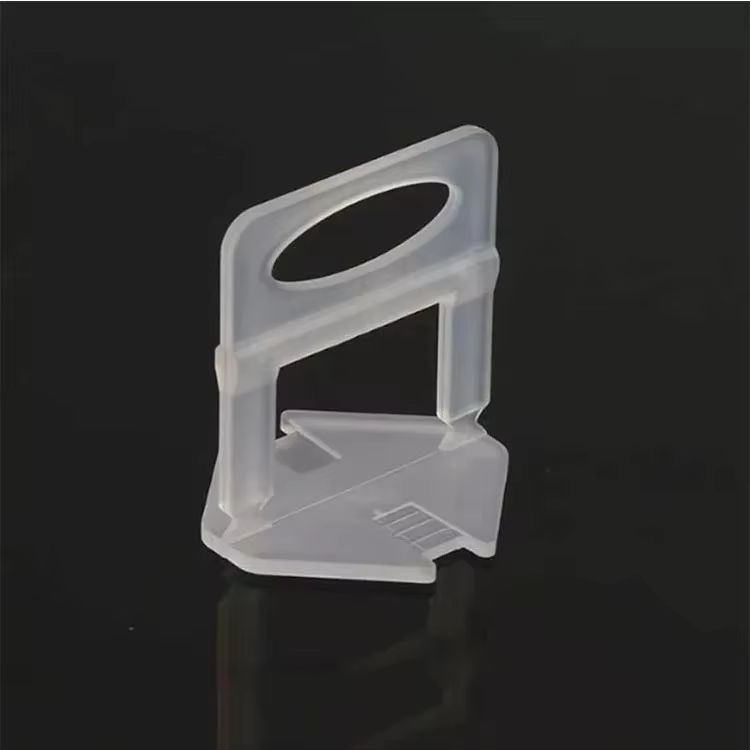
Faster Installation Through Simultaneous Alignment and Pressure Application
How tile leveler enables real-time, one-step leveling during setting
A tile leveler streamlines the tiling process by integrating alignment and pressure application into a single, fluid motion. Traditional spacer-and-wedge methods require installers to place tiles, insert spacers, then return later to check and adjust for lippage—a fragmented workflow that disrupts rhythm. In contrast, a tile leveler’s design lets the installer engage the clip and tighten the wedge in one hand, instantly flattening the tile relative to its neighbors. This simultaneous action eliminates the need to pause, re-position, or calibrate multiple components. The leveler creates a temporary, rigid bridge between tiles, applying uniform downward pressure across the edges while the thin-set cures—locking alignment from the moment of placement.
According to NTCA’s 2023 benchmark, one-handed engagement systems cut installation time by 30% because the installer maintains focus on the setting line without breaking work cadence to handle loose spacers. The technique also reduces physical strain: fewer repetitive motions mean less fatigue, preserving accuracy over extended sessions. For large-format tiles or complex layouts, this real-time leveling capability transforms a two- or three-step ordeal into a straightforward, continuous operation.
Empirical time savings: field data from 12 contractor projects (avg. 35% faster coverage)
Field data from 12 independent contractor projects in 2024 confirms consistent efficiency gains. Across residential and commercial jobs—with tile sizes ranging from 12″×12″ to 24″×48″ and varying substrates—tile leveler adoption increased average daily coverage by 35% compared to conventional spacer-only methods. A typical 500-square-foot bathroom floor previously requiring 20 hours was completed in 13 hours, freeing nearly a full day of labor.
The time savings stemmed from two key advantages: first, elimination of post-set lippage checks, as the leveler’s bridge ensured immediate ANSI A108.02 tolerance compliance; second, reduced need for re-leveling, since pressure was applied while thin-set remained plastic. Project managers also noted fewer breakages—especially with rectified porcelain—further avoiding downtime. By compressing schedules, tile levelers not only accelerate turnover but also enable crews to take on more jobs weekly, directly increasing revenue without added headcount.
Reduced Rework via Precision Lippage Control and First-Pass Accuracy
Eliminating lippage-related corrections: how tile leveler prevents costly callbacks
Lippage—the uneven edges between adjacent tiles—is a leading cause of post-installation rework and client callbacks. According to the National Association of Home Builders (NAHB), callback repairs consume 2–5% of a project’s total cost, with tile lippage among the top contributors. A tile leveler system directly mitigates this risk by delivering uniform pressure and alignment during setting. As clips and wedges draw adjacent tiles into a single plane, height discrepancies are corrected before thin-set cures—ensuring compliance with ANSI A108.02’s 1/32-inch lippage limit for most applications.
This first-pass accuracy eliminates time-consuming spotting, grinding, and re-setting. The result is a precise, aesthetically flawless surface requiring no post-installation touch-ups—reducing both labor hours and material waste. For contractors, it means higher client satisfaction, stronger reputation, and projects that stay on budget and schedule.
Lower Operational Costs with Reusable, Ergonomic Tile Leveler Components
Cost-per-square-foot analysis: reusable clips and rails vs. disposable alternatives
The economics of tile leveler systems become clear when comparing per-use costs. Reusable systems distribute their higher initial unit cost across dozens of installations, while disposable alternatives generate recurring consumable expenses.
| System Type | Unit Cost per Clip | Reuses per Component | Cost per Use per Clip | Waste per 100 sq ft |
|---|---|---|---|---|
| Disposable | $0.15 | 1 | $0.15 | 100 clips discarded |
| Reusable | $0.75 | 25 | $0.03 | only worn pins replaced |
For a 1,000-square-foot installation, the disposable approach consumes roughly $150 in clips; the reusable system achieves the same leveling at a material cost of just $30—a 70% reduction. Over multiple projects, this gap widens dramatically, transforming the tile leveler from a recurring consumable into a long-term capital asset that pays for itself within a few jobs.
Ergonomic advantages reducing installer fatigue and downtime
Ergonomic tile leveler designs—particularly those enabling one-handed operation—directly reduce physical strain. A 2023 NTCA benchmark study documented a 30% reduction in average installation time with single-hand engagement systems, which eliminate two-hand coordination and support more natural posture. Sustained precision across longer sessions minimizes alignment errors that trigger rework. By easing physical demand, these components also lower the risk of repetitive-strain injuries—cutting downtime and associated labor costs.
Long-Term ROI: How Tile Leveler Optimizes Labor, Warranty, and Project Timeline Economics
The tile leveler’s impact extends beyond immediate speed—it reshapes the entire project’s financial profile. A reusable system reduces long-term labor costs through faster, first-pass accuracy, lowering skilled-hours required per square foot. Industry data shows labor optimization in construction can deliver a 150% ROI within a year via reduced idle time and overtime cuts. When a tile leveler eliminates repeated adjustments and lippage corrections, the cumulative effect is a 20–30% improvement in labor productivity—freeing crews to take on more projects.
Warranty claims are a hidden drain on profitability. Lippage-related failures—cracked tiles, uneven surfaces—trigger costly callbacks and erode margins. Top manufacturers’ warranty repair costs average $740 per incident (Ponemon Institute, 2023). A tile leveler ensures consistent pressure and alignment from the outset, preventing lippage before it begins. This proactive quality control reduces surface defects that would later become warranty liabilities—effectively turning a modest tool investment into multistage insurance.
Timeline compression amplifies ROI. Shortening tile installation by 35%, as confirmed by field data from 12 contractor projects, accelerates the entire project schedule. In multi-family or commercial builds, earlier occupancy translates to weeks or months of additional rental income, improving net present value. Even for residential remodels, faster turnaround means contractors complete more jobs annually—increasing revenue without expanding labor. Combined, labor savings, warranty avoidance, and timeline acceleration compound to a long-term ROI that often exceeds 200% over two years—making the tile leveler a strategic asset, not just a consumable.
FAQ
What is a tile leveler?
A tile leveler is a tool designed to streamline tile installation by combining alignment and pressure application into a single motion, ensuring uniform placement and minimizing lippage between tiles.
How does a tile leveler improve installation speed?
A tile leveler enables one-handed engagement systems, cutting installation time by up to 30% as installers avoid stopping to adjust spacers or verify alignment.
What are the long-term benefits of using a reusable tile leveler system?
Reusable systems significantly lower operational costs by reducing material waste and spreading initial costs across multiple projects. They also decrease fatigue and downtime, improving overall productivity.
Can a tile leveler help prevent warranty claims?
Yes, tile levelers help prevent lippage-related surface defects that often lead to callbacks and warranty repairs, saving contractors from costly post-installation corrections.
Are tile levelers compatible with all tile sizes?
Yes, tile levelers work effectively across various tile sizes and substrates, from small residential tiles to large-format commercial installations.
Table of Contents
- Faster Installation Through Simultaneous Alignment and Pressure Application
- Reduced Rework via Precision Lippage Control and First-Pass Accuracy
- Lower Operational Costs with Reusable, Ergonomic Tile Leveler Components
- Long-Term ROI: How Tile Leveler Optimizes Labor, Warranty, and Project Timeline Economics
- FAQ
