EN
EN

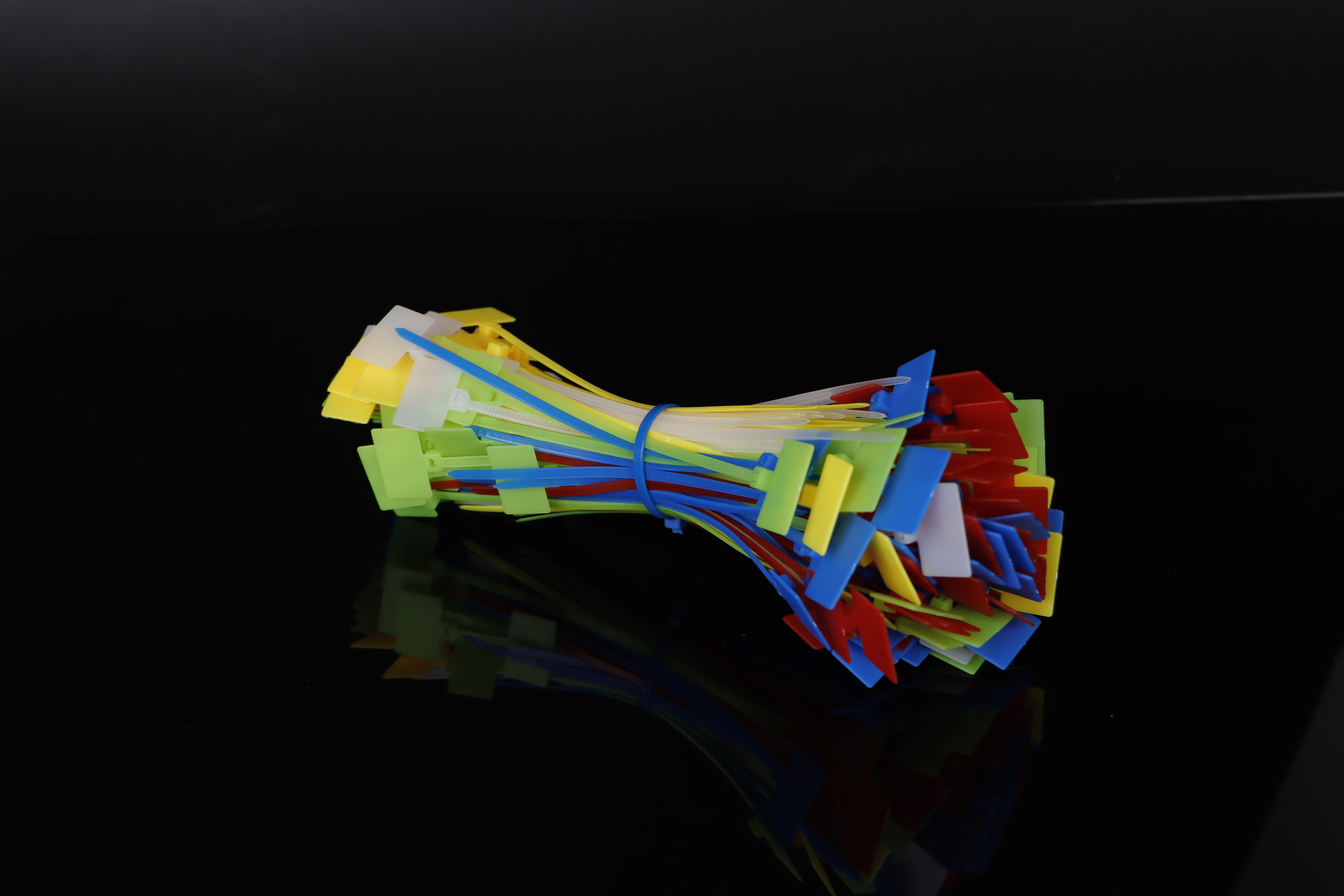
Understand Critical Compliance Standards for Power Industry Cable Ties
UL 62275 Certification and Type 1/2/2S Classifications
The UL 62275 standard from Underwriters Laboratories sets important benchmarks for how well cable ties perform in electrical systems. This certification sorts cable ties into three categories: Type 1, Type 2, and Type 2S, depending on how much tensile strength they keep when exposed to different environmental stresses like temperature changes, moisture levels, and sunlight. The most demanding category is Type 2S, which requires these ties to maintain all their original strength even after going through accelerated testing that mimics over twenty years of actual service conditions. Because of this requirement, Type 2S has become the gold standard for ensuring reliable performance in places where cables are subjected to high voltages such as substations and along transmission lines. Getting the right classification matters because it helps maintain structural integrity over many years, stopping bundles from coming loose which might otherwise affect proper spacing between conductors or cause wear and tear issues down the road.
NEC Article 300.11(A) Requirements: Securing vs. Bundling in Fixed Power Installations
Article 300.11(A) of the National Electrical Code makes clear the difference between securing cables and just bundling them together. When it comes to securing, cable ties need to actually hold up the weight of conduits or cables every 1.5 meters or so. This helps prevent gravity from putting stress on connections and reduces wear on those important connector points. Bundling works differently though. It's mainly for keeping wires organized and neat, not for holding anything up structurally. Getting this right matters because when wires sag in places like switchgear cabinets, control panels, or substation boxes, it creates serious arc fault problems. Improper bundling alone accounts for about 38 percent of all electrical system failures according to recent data from NFPA.
Evaluate Performance Ratings: Strength, Heat, and Environmental Resilience
Tensile Strength and Vibration Resistance for Dynamic Power Environments
Cable ties used in challenging power environments like turbine halls, transmission corridors, and areas prone to seismic activity need to stand up against mechanical fatigue caused by wind loads, thermal expansion, and vibrations from nearby equipment. The required tensile strength varies quite a bit based on how severe the conditions are, generally ranging between 50 and 500 pounds. Critical installations typically need at least 250 pounds of strength to keep their grip when loads shift over time. When it comes to resisting vibrations, cable ties that meet MIL-STD-810H Section 514.8 specs can handle frequencies going all the way up to 2,000 Hz and last through around 5 million oscillation cycles without slipping loose. This kind of durability makes them suitable for places near turbines or mounted on railway systems where reliability is essential. Steel inserts built right into the ties or double locking features help maintain proper tension even when conductors rub against each other, which could otherwise lead to dangerous situations like fires or electrical shorts down the line.
Fire Safety, UV Stability, and Chemical Resistance in Industrial Settings
Cable ties used in power facilities need to withstand some pretty harsh conditions. The UL 94 V-0 certification isn't just recommended but absolutely required for fire safety reasons. This certification means the material will stop burning on its own within 10 seconds once the flames are gone, which helps prevent dangerous arc flashes. When these ties go outside, they have to handle UV radiation too. Materials that meet ASTM G154 standards keep at least 90% of their strength even after sitting out under simulated sunlight for five whole years. That matters a lot in places like switchyards where cables run overhead. Chemical resistance is another big deal. Cable ties made from PVDF can stand up to all sorts of chemicals including hydrocarbons, solvents, and those strong acidic cleaners without getting swollen or brittle, something regular nylon just can't do. Basically, choosing the right materials depends on what kind of hazards they'll face day to day.
- Low-risk areas: Standard nylon 6/6 (indoor, dry, low-chemical exposure)
-
High-exposure zones: Halogen-free, hydrocarbon-resistant formulations (e.g., PVDF or stainless steel)
This alignment prevents premature degradation that can trigger cascading outages—costing an average $740k per incident (Ponemon Institute, 2023).
Select the Optimal Cable Tie Material for Long-Term Stability
Nylon 6/6 vs. Stainless Steel vs. PTFE: Trade-offs in Temperature, Corrosion, and Load Retention
Material selection directly impacts decades-long system integrity. Each option balances performance, cost, and environmental compatibility:
| Material | Temperature Range | Corrosion Resistance | Load Retention | Ideal Use Case |
|---|---|---|---|---|
| Nylon 6/6 | -40°C to 85°C | Moderate | Good | Indoor, low-chemical exposure |
| Stainless Steel | -100°C to 260°C | High | Excellent | Outdoor, high-vibration, or high-load zones |
| PTFE | -200°C to 260°C | Exceptional | Moderate | Chemical/acidic environments, extreme temperature swings |
Nylon 6/6 provides good electrical insulation and is relatively affordable compared to other materials. However, it tends to break down when exposed to sunlight for long periods and will start to hydrolyze in damp environments unless special stabilizers are added during manufacturing. Stainless steel stands out for its incredible tensile strength, often exceeding 250 pounds per square inch, plus it handles vibrations well and resists corrosion most of the time. The downside? It conducts electricity so needs proper insulation when working near live parts. PTFE remains stable even at very high or low temperatures and can withstand pretty harsh chemicals without breaking down. Still, because it isn't as strong as some alternatives, it doesn't work so great for applications requiring heavy loads or tight bundles. When selecting materials, engineers should consider what kind of stresses the component will face day after day whether those stresses come from repeated heating and cooling cycles, contact with corrosive substances, or simply bearing weight over extended periods. Getting this right helps avoid failures that could endanger both equipment and personnel alike.
Choose Mounting-Ready Cable Tie Solutions for Permanent Power Infrastructure
Screw-Down Mounts, Mounting Ring Ties, and Panel-Fixed Systems for Zero-Drift Stability
When it comes to setting up permanent power infrastructure, especially those tricky spots like substations, control rooms, and areas prone to earthquakes, mounting ready solutions really make a difference in keeping cables from moving around which can compromise both safety standards and regulations. The screw down mounts attach straight onto surfaces with either stainless steel or nickel plated fasteners, providing rock solid stability even when there's lots of vibration going on. Mounting rings work great too since they fit right into existing panels through pre drilled holes, so folks can retrofit things quickly without needing to do any welding or extra drilling. For panel fixed setups, combining industrial strength acrylic glue with regular mechanical fasteners creates backup support paths just in case something goes wrong. All these options go beyond what NEC 300.11(A) requires because they stop cables from slipping around, making sure wires stay properly spaced apart during temperature changes, earthquakes, or after years of gradual stretching. This matters a lot in tight spaces where most electrical arcs start happening anyway.
FAQ
What is UL 62275 certification?
UL 62275 is a certification from Underwriters Laboratories that categorizes cable ties based on their tensile strength and resistance to environmental stresses like temperature, moisture, and sunlight. There are three main classifications: Type 1, Type 2, and the most stringent, Type 2S.
Why is NEC Article 300.11(A) important?
NEC Article 300.11(A) distinguishes between securing and bundling cables. Securing ensures that cable ties actually hold up the weight, preventing wear and tear, whereas bundling is only for keeping wires organized. This difference is crucial for avoiding electrical failures.
Which materials are best for cable ties in challenging conditions?
Nylon 6/6 is suitable for indoor, low-chemical exposure scenarios. Stainless steel is ideal for high-vibration or high-load areas, and PTFE is best for chemical or extreme temperature conditions.
Why use mounting-ready solutions for cable ties?
Mounting-ready solutions, like screw-down mounts or panel-fixed systems, offer zero-drift stability, especially important in seismic areas or tight spaces prone to electrical arcs.