EN
EN

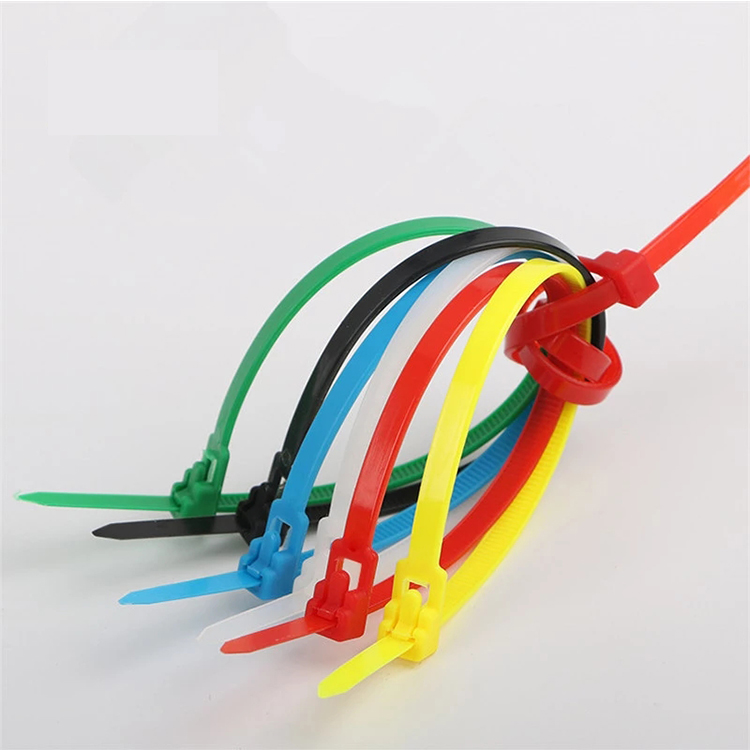
Understanding Total Cost of Ownership for Wholesale Nylon Cable Ties
Unit price compression vs. hidden costs: MOQ, logistics, and supplier risk
While bulk purchasing reduces per-unit prices for wholesale nylon cable ties, true savings require evaluating hidden expenses. Minimum order quantities (MOQs) often force overstocking, increasing annual warehousing fees by 12–18%. Logistics complexities—such as customs delays or damaged shipments—add 7–15% to landed costs, per supply chain analyses. Supplier consolidation mitigates these risks: single-source partners reduce quality inconsistencies and shipment fragmentation, cutting procurement overhead by up to 30%.
Inventory carrying costs and shelf-life considerations for bulk nylon cable ties
Nylon’s 10+ year shelf life under proper storage significantly lowers obsolescence risk compared to metal alternatives requiring anti-corrosion treatments. Still, bulk buyers must account for:
- Carrying costs: $1.25–$2.50 monthly per cubic foot for climate-controlled storage
- Degradation factors: UV exposure or humidity variations can weaken tensile strength by 15–40%
- Replacement cycles: Rotating stock every 5 years prevents brittleness in critical applications
Strategic inventory modeling shows holding 3–6 months of usage maximizes cost efficiency—balancing bulk discounts against storage fees.
Procurement Efficiency Gains from Wholesale Nylon Cable Tie Programs
Reducing cycle time with standardized SKUs and vendor-managed inventory (VMI)
Bulk procurement accelerates purchasing cycles by consolidating orders into fewer transactions. Standardizing SKUs eliminates specification redundancies, reducing purchase order (PO) processing time by 30–45%. Implementing Vendor-Managed Inventory (VMI) further optimizes operations:
- Suppliers monitor consumption and auto-replenish stock at predetermined thresholds
- Warehouse space requirements decrease by 18–25% by avoiding overstock scenarios
- Inventory carrying costs drop 22% on average by synchronizing deliveries with consumption rates
This approach reduces administrative overhead by 55% compared to traditional procurement methods. As noted in Packaging Digest 2023, nylon ties ship at 40% lower logistics weight versus stainless steel alternatives. While VMI requires initial integration, the operational efficiency gains yield ROI within 16 months for most industrial buyers.
Why Nylon Outperforms Alternatives on Lifecycle Cost per Application
Comparative TCO: nylon cable ties vs. stainless steel, hook-and-loop, and zip ties
Wholesale nylon cable ties deliver unmatched lifecycle savings versus common alternatives through material science advantages. Stainless steel resists extreme temperatures but corrodes in humid environments—requiring frequent replacements that increase total cost of ownership by 15–30%, per industrial fastener studies. Nylon’s flexibility prevents cold-weather brittleness and micro-fractures caused by thermal cycling in lower-grade zip ties. Unlike hook-and-loop straps—which degrade after 200–300 cycles—nylon maintains tensile strength for years of continuous use. Key TCO differentiators include:
| Material | Durability (Outdoor) | Replacement Frequency | Chemical Resistance |
|---|---|---|---|
| Nylon cable ties | 5+ years | Minimal | High |
| Stainless steel | 10+ years* | Moderate (corrosion) | Medium |
| Hook-and-loop | 1–2 years | High | Low |
| Generic plastic ties | <1 year | Very High | Variable |
| *Corrosion maintenance negates longevity benefit |
Bulk procurement amplifies these advantages—reducing unit costs by 40–60% while ensuring inventory consistency. Nylon’s UV stability and hydrolysis resistance also eliminate the need for climate-controlled storage, lowering warehouse carrying costs versus alternatives. This durability-to-price ratio makes it the optimal solution for permanent installations across construction, automotive, and utility sectors.
Strategic Sourcing Best Practices for Wholesale Nylon Cable Ties
Optimizing procurement for wholesale nylon cable tie programs requires moving beyond transactional purchasing toward holistic supply chain management. Begin by diversifying suppliers across geographies to mitigate regional disruptions—a critical step given 2023 supply chain volatility reports showing multi-sourcing reduces stockout risks by 67%. Engage multiple suppliers through competitive RFQ processes while maintaining collaborative relationships with core partners, enabling volume-based discounts without single-source dependency. Rigorously evaluate total cost of ownership (TCO) beyond unit prices, factoring in logistics efficiency, payment terms, and MOQs that impact inventory carrying costs. Implement performance-based contracts with clear KPIs for defect rates (<0.5%) and on-time delivery (>98%), aligning incentives with operational reliability. Finally, integrate digital procurement platforms that automate reordering based on consumption data—transforming bulk nylon cable tie sourcing into a strategic value driver rather than a cost center. This approach ensures consistent quality while achieving 15–30% long-term cost reductions, per procurement optimization studies.
FAQ Section
What are the hidden costs in wholesale nylon cable tie procurement?
Hidden costs include minimum order quantities leading to overstocking, logistics complexities causing delays and additional expenses, and supplier risks related to quality inconsistencies and shipment fragmentation.
How does Vendor-Managed Inventory (VMI) improve procurement efficiency?
VMI optimizes operations by allowing suppliers to monitor consumption and auto-replenish stock, reducing warehouse space requirements and inventory carrying costs, while significantly cutting administrative overhead.
Why is nylon considered superior to other materials for cable ties?
Nylon offers unmatched lifecycle savings due to its flexibility, durability, and resistance to UV and hydrolysis. It performs better in cold-weather and does not require climate-controlled storage, unlike alternatives like stainless steel and hook-and-loop.