EN
EN

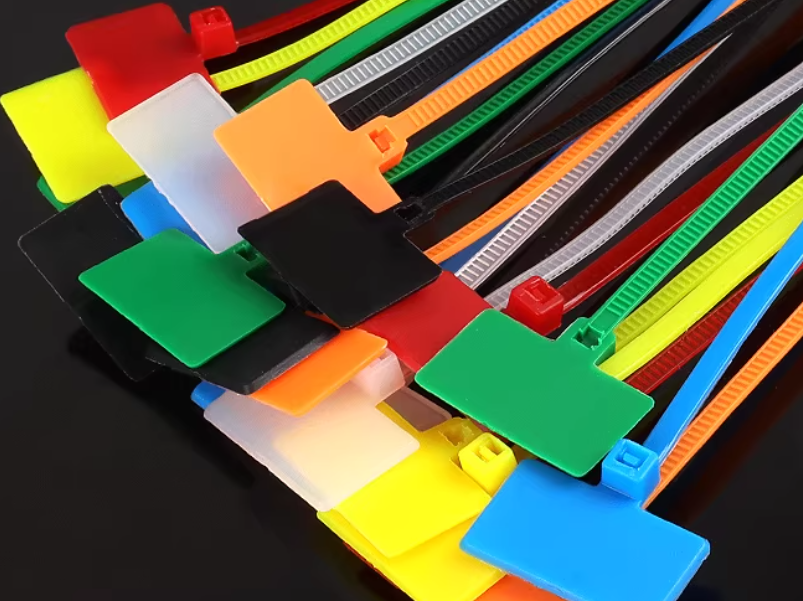
Cable Tie Label as the Core of Electrical System Organization
The Cost of Chaos: Real-World Consequences of Unlabeled Wiring
When wires aren't labeled properly, electrical panels become dangerous messes nobody wants to deal with. Techs spend anywhere from 9 to 12 minutes tracking down problems because they can't tell which cable is which according to the IEEE Maintenance Report from last year. And when connections get messed up by accident? That accounts for nearly two thirds of all preventable power failures across industries. Take a real world example at a refinery where someone grabbed the wrong control cable during maintenance work, resulting in a massive $740,000 production halt as reported by Ponemon in their 2023 findings. Mistakes like these don't just cost money either. Safety inspectors from OSHA keep finding improper circuit identification listed as a contributing factor in about 3 out of every 10 electrical injuries they investigate.
How Cable Tie Label Enables Signal Integrity and Physical Traceability
Cable tie labels combat chaos by anchoring documentation directly to physical infrastructure—enabling both signal integrity and instant visual traceability. Engineered sleeves wrap conductors with machine-scannable identifiers that:
- Preserve signal integrity by shielding cables from EMI interference during high-frequency transmissions
- Enable instant traceability, with color-coded, high-contrast tags allowing visual identification in under 3 seconds
- Support error-proof maintenance, thanks to permanent acrylic adhesives rated to UL 969 for resistance to chemicals, heat, and abrasion
This dual functionality prevents impedance mismatches in network racks while allowing field technicians to isolate faults 68% faster (IEEE 1476-2021). By binding labeling to hardware—not just schematics—cable tie labels turn static panels into searchable, maintainable systems.
Safety, Compliance, and Risk Mitigation with Cable Tie Label
Proper identification of electrical components transcends mere organization—it's foundational to workplace safety and regulatory adherence. Cable tie labels provide durable, standards-aligned identification that reduces operational hazards while satisfying critical compliance frameworks.
Meeting NEC 110.22 & OSHA Requirements Through Permanent Cable Tie Labeling
Section 110.22 of the NEC requires that all disconnect points be clearly marked with permanent identifiers, while OSHA has its own set of rules about proper labeling to keep workers safe from electrical dangers. Cable tie labels designed to last are actually what most electricians turn to when they need something that will stay readable no matter what happens on site. These labels can handle pretty much anything thrown at them - rubbing against tools, exposure to chemicals, extreme heat or cold. That means the markings won't fade away after a few months or fall off completely. Nobody wants to deal with the mess of replacing lost tags mid-inspection, not to mention the potential fines if inspectors find missing or illegible safety information.
UL 969—Compliant Cable Tie Label Integration in Panel-Build SOPs
Adding UL 969 certified cable tie labels to our panel building SOPs makes good sense for long term reliability. What does UL 969 actually mean? Simply put, these labels hold up when exposed to moisture over time, resist damage from industrial solvents, and maintain readability even after repeated temperature changes during normal operation. That means they stay legible throughout the entire lifespan of whatever equipment they're attached to. Incorporating this standard into our procedures creates a solid checkpoint for quality control. We see fewer failed labels, better preparedness during audits, and more consistent results between production runs. Plus, nobody wants to deal with relabeling components in the field or making last minute corrections before shipment.
Faster Troubleshooting and Reduced Downtime via Cable Tie Label
Organized electrical systems rely on precise, immediate identification to minimize disruptions. Standardized cable tie labels convert tangled wiring into intuitive, traceable pathways—letting technicians rapidly locate faults and restore operations with confidence.
68% Faster Fault Isolation: Evidence from IEEE 1476-2021 Field Data
According to recent field tests following the IEEE 1476-2021 standard, data centers and industrial plants that implement permanent cable tie labels see fault isolation times drop by around 68% compared to those without proper labeling. Electricians no longer need to spend hours manually tracing wires since they can spot exactly where each circuit ends right away. Take PDU problems as an example many techs used to take nearly an hour to figure out what was wrong, but now they often resolve these issues within just 15 minutes flat. The main reason? Clear, consistent labels on conductors eliminate most of the guesswork involved in diagnosis, cutting down on mistakes when every second counts during critical repairs.
Case Study: Data Center Uptime Gains After Standardizing Cable Tie Label ID
One large data center in California rolled out UL 969 compliant cable tie labels for all their 12,000 server connections last year. They used special weather resistant tags that could be scanned easily. Just six months later, they saw something remarkable happen. Their team was resolving outages almost half as fast as before, cutting down resolution times by 55%. According to research from the Uptime Institute back in 2022, around two thirds of all data center problems actually come down to messed up cable labels. This particular project fixed exactly that issue. Accidents where cables got disconnected during maintenance dropped by 41 percent overall. The facility's annual uptime went up by a solid 0.5 percentage points too. And best of all, they saved themselves about $740k in potential downtime costs according to Ponemon's findings from 2023. Plus, new techs stopped taking so long to get familiar with the setup. Onboarding time shrank by 25% because everyone could now navigate the system visually thanks to those consistent labels everywhere.
FAQ
Why are cable tie labels important?
Cable tie labels are crucial for maintaining electrical system organization, ensuring safety, and meeting compliance standards by providing clear identification and reducing the risk of errors.
How do cable tie labels improve system maintenance?
They enable faster fault isolation and troubleshooting by providing clear, consistent, and durable labeling, which prevents mistakes and minimizes downtime.
What standards do cable tie labels comply with?
They comply with standards such as UL 969, NEC 110.22, and OSHA requirements, ensuring durability and reliability under various conditions.