 EN
EN

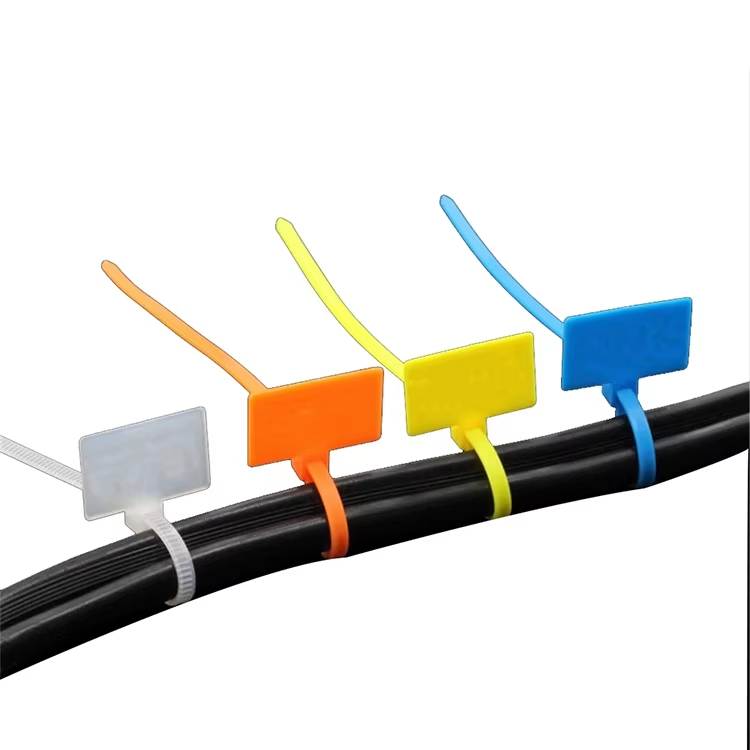
Preventing Costly Errors with Accurate Cable Tie Label Identification
How mislabeled or unlabeled cables cause reconnection mistakes and system outages
When cables lack clear, permanent cable tie labels, technicians are forced to rely on guesswork—leading directly to reconnection errors that trigger costly system outages. In data centers, a single misconnected cable can take down critical servers, costing enterprises up to $9,000 per minute in downtime. In manufacturing, misidentified power cables routinely cause unintended equipment shutdowns, averaging $260,000 per incident. Industry analysis shows 67% of unplanned data center outages stem from improper cable identification. These errors compel staff into time-consuming trial-and-error diagnostics, eroding productivity and undermining operational trust. Durable, clearly printed cable tie labels eliminate ambiguity—enabling correct reconnections the first time and preventing cascading failures.
Industry data: 37% of field maintenance errors linked to inadequate cable tie label practices (NFPA 70E, 2023)
The National Fire Protection Association’s NFPA 70E standard identifies inadequate cable tie label practices as the root cause of 37% of field maintenance errors—including arcing faults, short circuits, and equipment damage. These incidents often arise when workers substitute memory or outdated schematics for reliable identification, increasing safety risks and exposure to regulatory fines. A properly applied cable tie label delivers clear, permanent guidance at every connection point. By aligning with NFPA 70E recommendations—and using durable, legible materials—organizations significantly reduce error rates, protect personnel, and maintain compliance without added complexity.
Minimizing Downtime Through Consistent and Color-Coded Cable Tie Label Systems
Real-world impact: Data center downtime reduced by 62% post-implementation of standardized cable tie label protocols
Standardized cable tie label protocols target the leading cause of unplanned outages: cable misidentification. A 2023 data center efficiency study found facilities adopting unified labeling systems cut downtime by 62% compared to those using ad-hoc or missing labels. This improvement stems largely from a 52% reduction in misidentification errors—achieved by implementing color-coded labels aligned with TIA-606-B standards. In dense rack environments, technicians instantly distinguish power, data, and safety circuits without visual strain or delay—preventing accidental disconnections during maintenance that often cascade into broader failures. Industrial-grade label materials—rated for −40°F to 200°F operation and resistant to abrasion and chemicals—ensure legibility across the equipment lifecycle. Since 83% of maintenance teams cite label degradation as a top cause of misidentification (Industrial Safety Report, 2023), durability isn’t optional—it’s foundational to long-term reliability.
Troubleshooting time slashed from 42 to under 9 minutes with intuitive cable tie label design
Intuitive cable tie label design transforms troubleshooting from a bottleneck into a streamlined process. After deploying a standardized, color-based system, technicians reduced average diagnosis time from 42 minutes to under 9 minutes per incident—a 78% improvement. This leap comes from instant visual traceability: no wire-pulling, no diagram cross-checking, no backtracking. Color-coding (e.g., red for power, blue for Ethernet) paired with concise alphanumeric identifiers enables parallel work by multiple team members without confusion. The result is lower labor costs, fewer SLA penalties, and higher network availability. Even in dynamic environments where cables are frequently added or rerouted, the intuitive logic minimizes onboarding time for new staff. When cable tie labels support instant recognition, issues resolve faster—and critical systems stay online.
Ensuring Safety and Regulatory Compliance via Permanent Cable Tie Label Solutions
Permanent cable tie labels are non-negotiable for safety-compliant cable management. Standards including TIA-606-B and ISO/IEC 14763-2 mandate durable, legible labels that remain readable under harsh environmental conditions—from industrial heat and moisture to UV exposure and chemical contact. Adhering to these frameworks ensures consistent, auditable identification across electrical and data installations. For example, structured cabling deployments following TIA-606-B formatting for circuit labels reduce reconfiguration errors by 32%, directly strengthening both safety and operational reliability. Beyond error prevention, permanent labels fulfill core regulatory requirements for inspections, asset tracking, and chain-of-custody documentation. Failure to maintain legible, correctly placed labels—notably within six inches of termination points per ANSI/TIA guidelines—can expose organizations to legal liability, fines, and increased risk of electrical hazards. Investing in purpose-built permanent labeling solutions protects people, avoids compliance violations, and delivers measurable ROI through sustained uptime and reduced incident response overhead.
FAQ Section
What are cable tie labels?
Cable tie labels are durable, legible markers attached to cables to provide clear identification for technicians, preventing errors and system outages during maintenance.
How do cable tie labels minimize downtime?
They streamline troubleshooting and reconnections by enabling instant, accurate identification of cables, reducing misidentification errors and the time spent on diagnostics.
Why are color-coded cable tie labels effective?
Color-coding helps technicians quickly distinguish between different types of cables, such as power, Ethernet, or safety circuits, reducing visual strain and confusion.
What standards govern cable tie labels?
Standards like TIA-606-B, NFPA 70E, and ISO/IEC 14763-2 mandate that cable labels be permanent, durable, and legible even under harsh environmental conditions.
How can cable tie labels improve safety and compliance?
They ensure proper identification of cables, prevent accidents like short circuits, and align with regulatory guidelines to avoid legal liabilities and fines.
