EN
EN

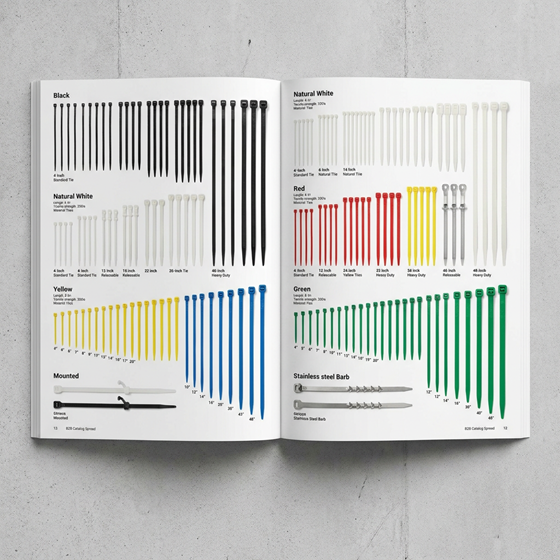
1.Understanding Material Science: Why Nylon 66 Matters
The backbone of most high-quality industrial cable ties is Nylon 66 (Polyamide 6.6). This material is favored in B2B applications due to its exceptional mechanical strength, rigidity, and heat resistance. Unlike standard plastics, Nylon 66 maintains its integrity across a wide temperature range, typically from -40°C to +85°C. When sourcing for industrial projects, verify that the ties are made from 100% virgin Nylon 66. Recycled materials may offer a lower price point but often compromise on tensile strength and environmental resistance, leading to brittle failures in demanding environments.
2. Key Specifications for Industrial Applications
When evaluating suppliers, professional buyers must look beyond the "length and width" and focus on technical performance metrics.
Tensile Strength
This is the most critical metric. Tensile strength indicates the maximum load the tie can handle before the locking mechanism fails or the strap breaks.
- Standard Duty: 50 lbs (22kg)
- Heavy Duty: 120 lbs (55kg) to 175 lbs (79kg)
- Extra Heavy Duty: 250 lbs+ (114kg+)
Operating Environment
Is the application indoors or outdoors? Standard nylon is susceptible to UV degradation. For outdoor installations, specify UV-stabilized nylon (usually black due to carbon black additives), which can withstand prolonged exposure to sunlight without becoming brittle
Flame Retardancy
In the electrical and aerospace sectors, fire safety is paramount. Look for the UL 94V-2 rating, which ensures the material is self-extinguishing within a specific timeframe when exposed to an open flame.
3. The Anatomy of a Quality Cable Tie
A professional-grade cable tie is distinguished by its design precision.
- The Pawl (Locking Mechanism): The internal tooth should be robust and provide a "positive lock." In high-vibration environments, a stainless steel barb integrated into the head can offer superior grip.
- Tapered Tip: A smooth, tapered tail allows for faster threading and reduces worker fatigue during high-volume installations.
- Rounded Edges: To prevent damage to cable insulation and ensure the safety of the installer, the edges of the strap must be rounded and free of burrs.
4. Industry-Specific Requirements
Different sectors require specialized cable tie solutions:
- Food & Beverage: Metal-detectable nylon ties are required to prevent contamination.
- Chemical Processing: Tefzel (ETFE) or specialized nylon variants are needed to resist corrosive chemicals.
- Automotive: High-temperature heat-stabilized ties are necessary for engine compartment wiring.
5. Procurement Strategy: Beyond the Unit Price
For B2B buyers, the "Total Cost of Ownership" (TCO) should guide the purchasing decision.
- Bulk Packaging: Opt for 100-count or 1000-count bags to reduce packaging waste and lower the per-unit cost.
- Compliance Documentation: Ensure the supplier provides CE, RoHS, and UL certifications. This is crucial for regulatory compliance and export/import processes.
- Sample Testing: Always request samples for batch testing. Evaluate the flexibility and the force required to engage the lock.
Conclusion
Choosing industrial nylon cable ties is a balance of engineering requirements and procurement efficiency. By prioritizing material quality (Nylon 66), verifying tensile strength, and ensuring environmental suitability, businesses can safeguard their infrastructure and optimize their supply chain.
For heavy-duty industrial projects, the "cheapest" option often becomes the most expensive when labor costs for replacement and downtime are factored in. Invest in quality; secure your connections.