 EN
EN

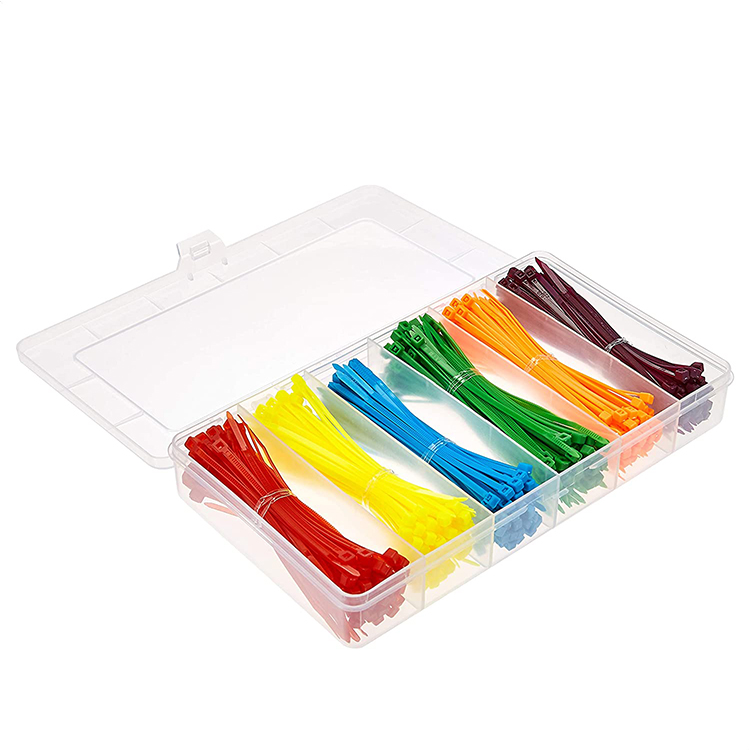
Understanding the Installation Mechanics of Nylon Cable Ties
A nylon cable tie uses a simple but reliable self-locking structure consisting of a serrated strap and an internal locking mechanism. During installation, the tapered end passes through the locking head, allowing the strap teeth to engage with the internal pawl and maintain the required tension.
Proper installation is important for achieving reliable fastening performance. The tie should be tightened firmly while avoiding excessive force that could damage cable insulation or place unnecessary stress on the bundle.
In confined areas such as electrical cabinets, control panels, and dense wiring systems, a cable tie installation tool can help achieve consistent tension and reduce variation between installations. This is especially useful for applications requiring repeatable cable management quality.
The locking structure, material flexibility, and strap design all influence how well a nylon cable tie maintains its grip during long-term service.
Vibration Resistance and Nylon Cable Tie Reliability
For automotive, industrial equipment, and machinery applications, cable ties may experience continuous vibration and mechanical movement. In these environments, locking performance and material stability are important factors.
High-quality nylon cable ties are designed with optimized tooth profiles and locking heads to maintain secure fastening under normal vibration conditions. Reinforced designs can provide improved holding performance for applications where additional mechanical reliability is required.
Selecting the correct cable tie material and size helps reduce risks such as cable movement, abrasion, and loose wiring connections.
Choosing the Right Nylon Cable Tie Material for Different Environments
Environmental conditions have a significant impact on nylon cable tie performance. Temperature, sunlight exposure, moisture, and chemical contact should all be considered before selecting a product.
UV-Resistant and Heat-Stabilized Nylon Cable Ties
Standard nylon cable ties are commonly used for indoor applications where environmental stress is limited. For outdoor installations, UV-resistant nylon cable ties are often selected because they are formulated to better withstand long-term sunlight exposure.
Heat-stabilized nylon cable ties are designed for applications involving higher temperatures, such as:
- Automotive wiring systems
- Industrial equipment
- Electrical enclosures
- Machinery installations
For applications exposed to both sunlight and elevated temperatures, dual-stabilized nylon materials can provide improved long-term performance.
The following factors should be evaluated when selecting a material:
| Material Type | Main Advantage | Typical Applications |
|---|---|---|
| Standard Nylon 6/6 | Balanced strength and flexibility | Indoor wiring, general bundling |
| UV Resistant Nylon | Improved outdoor durability | Solar systems, outdoor cables, telecommunications |
| Heat Stabilized Nylon | Better performance at elevated temperatures | Automotive and industrial equipment |
Compliance Requirements for Industrial Nylon Cable Ties
Different industries may require specific material documentation and quality standards.
In automotive applications, manufacturers often evaluate cable tie materials based on requirements related to:
- Temperature resistance
- Chemical exposure
- Process consistency
- Traceability
For food processing and pharmaceutical environments, material selection may focus on:
- Appropriate regulatory compliance
- Clean production processes
- Controlled contamination risks
- Suitable packaging methods
Metal-detectable nylon cable ties are also available for industries where foreign material detection is important, such as food manufacturing.
When purchasing industrial nylon cable ties, buyers should review technical documents, material specifications, and supplier quality systems.
Selecting the Correct Nylon Cable Tie Size and Strength
Choosing the correct cable tie size requires balancing:
- Bundle diameter
- Required holding strength
- Installation space
- Environmental conditions
- Installation efficiency
Common nylon cable tie sizes include:
| Width | Typical Applications |
|---|---|
| Small widths | Electronics, small wire bundles, light-duty applications |
| Medium widths | General electrical installation and automotive wiring |
| Large widths | Industrial equipment, heavy cable bundles, construction applications |
A higher tensile rating does not always mean better performance. Oversized cable ties may increase installation difficulty and unnecessary material usage, while undersized ties may not provide sufficient reliability.
The best choice depends on the actual operating conditions and required service life.
Applications of Nylon Cable Ties
Nylon cable ties are widely used across industries including:
Automotive Wiring
Heat-resistant nylon cable ties help organize wiring harnesses in environments exposed to vibration and temperature changes.
Electrical Systems
Control cabinets, panels, and industrial equipment often use nylon cable ties for efficient cable organization and maintenance.
Solar and Outdoor Installations
UV-resistant nylon cable ties provide a practical solution for securing cables in outdoor environments.
Manufacturing and Automation
Industrial nylon cable ties support cable routing and component organization in machinery and production equipment.
FAQ
How do nylon cable ties work?
Nylon cable ties work through a self-locking mechanism where the serrated strap engages with a locking pawl inside the head, maintaining tension after installation.
Are nylon cable ties suitable for outdoor use?
Yes. UV-resistant nylon cable ties are designed for outdoor applications where prolonged sunlight exposure may affect standard nylon materials.
What temperature can nylon cable ties withstand?
Temperature resistance depends on the nylon grade. Heat-stabilized nylon cable ties are commonly selected for applications requiring higher temperature performance.
How do I choose the right nylon cable tie size?
Choose based on cable bundle diameter, required strength, installation environment, and long-term service conditions.
Are metal-detectable nylon cable ties available?
Yes. Metal-detectable nylon cable ties are available for industries where foreign material detection and hygiene requirements are important.
Table of Contents
- Understanding the Installation Mechanics of Nylon Cable Ties
- Vibration Resistance and Nylon Cable Tie Reliability
- Choosing the Right Nylon Cable Tie Material for Different Environments
- Compliance Requirements for Industrial Nylon Cable Ties
- Selecting the Correct Nylon Cable Tie Size and Strength
- Applications of Nylon Cable Ties
- FAQ
