 EN
EN

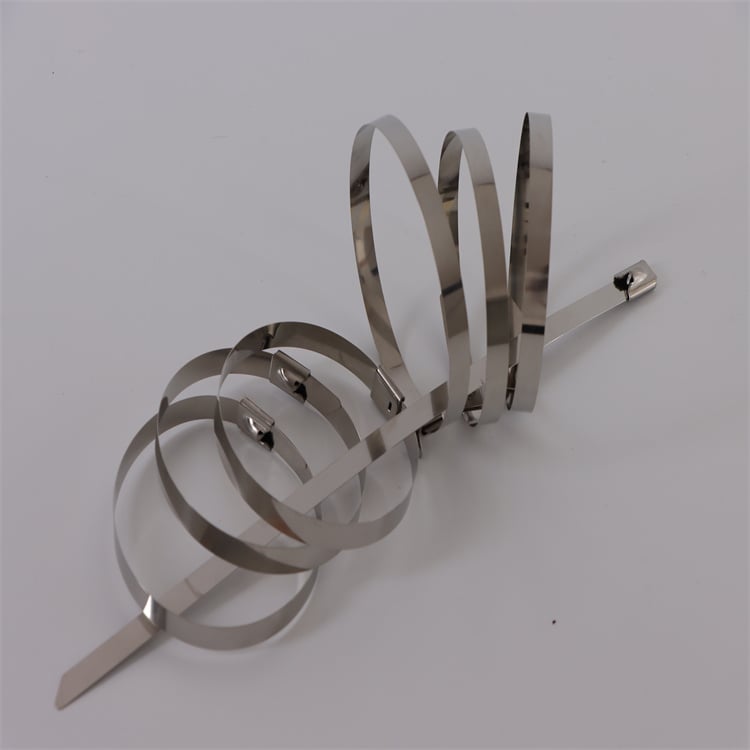
Superior Corrosion Resistance of Stainless Steel Cable Ties
Stainless steel cable ties are widely used in demanding environments where traditional nylon cable ties may face limitations caused by moisture, chemicals, temperature changes, or outdoor exposure. Their corrosion resistance comes from the chromium-rich passive layer formed on stainless steel surfaces, which helps protect the material from oxidation and environmental degradation.
Choosing the right stainless steel grade is important for ensuring long-term fastening performance. The most common options are 304 and 316 stainless steel. While 304 stainless steel provides reliable corrosion resistance for general industrial applications, 316 stainless steel contains molybdenum, which improves resistance against chloride exposure and makes it more suitable for marine, coastal, and chemical processing environments.
304 vs 316 Stainless Steel Cable Ties: How to Choose
| Feature | 304 Stainless Steel Cable Tie | 316 Stainless Steel Cable Tie |
|---|---|---|
| Corrosion Resistance | Suitable for general industrial and outdoor applications | Enhanced resistance to saltwater and chloride environments |
| Common Applications | Machinery, electrical systems, indoor and mild outdoor installations | Marine equipment, chemical plants, coastal infrastructure |
| Material Advantage | Balanced strength and corrosion resistance | Improved protection against pitting corrosion |
| Cost Consideration | More economical option | Higher cost for more demanding environments |
For most standard applications, 304 stainless steel cable ties provide dependable performance. In environments exposed to salt spray, chemicals, or frequent washing, 316 stainless steel cable ties are often selected because of their improved corrosion resistance.
High Tensile Strength and Reliable Mechanical Performance
One of the key advantages of stainless steel cable ties is their mechanical strength. Compared with conventional plastic cable ties, stainless steel versions maintain structural stability under higher loads, vibration, and temperature variations.
The strength of a stainless steel cable tie depends on several factors, including:
- Stainless steel grade
- Strap width and thickness
- Locking mechanism design
- Installation method
These factors determine the final load capacity and durability of the fastening system.
In industrial applications such as machinery wiring, automotive systems, construction equipment, and electrical installations, stainless steel cable ties provide secure bundling where long-term mechanical stability is required.
Temperature and Environmental Resistance
Stainless steel cable ties are suitable for applications where nylon cable ties may experience performance limitations.
High temperatures, UV exposure, and continuous environmental changes can gradually affect polymer materials. Stainless steel, however, maintains its structural properties in many harsh conditions and does not become brittle under sunlight exposure.
Typical applications include:
- Industrial equipment
- Exhaust systems
- Power generation facilities
- Outdoor communication infrastructure
- Chemical processing environments
For extreme temperature applications, users should select the appropriate stainless steel grade and verify performance requirements based on actual operating conditions.
Self-Locking Design for Secure Cable Management
The locking mechanism is another important factor affecting stainless steel cable tie reliability.
Most stainless steel cable ties use a self-locking head design that allows the strap to tighten securely around cable bundles. Once installed, the locking structure helps maintain consistent fastening force and reduces the risk of loosening caused by vibration or environmental changes.
Compared with reusable fastening solutions, stainless steel cable ties are often preferred for permanent installations where long-term security and durability are priorities.
Common applications include:
- Industrial cable routing
- Transportation systems
- Electrical cabinets
- Outdoor equipment installation
- Heavy machinery wiring
Chemical and Outdoor Durability for Long-Term Applications
Stainless steel cable ties perform well in environments where exposure to chemicals, moisture, and sunlight is expected.
The corrosion-resistant surface of stainless steel helps protect the cable tie from many common industrial conditions, including:
- Humidity
- Salt exposure
- Outdoor weathering
- Industrial contaminants
For marine and coastal applications, 316 stainless steel cable ties are commonly selected due to their improved resistance to chloride-related corrosion.
In chemical environments, users should evaluate compatibility between the stainless steel grade and specific chemicals to ensure reliable long-term performance.
How to Select the Right Stainless Steel Cable Tie for Your Project
Selecting the correct stainless steel cable tie requires consideration of several factors:
1. Operating Environment
Evaluate whether the installation will be exposed to:
- Saltwater
- Chemicals
- Outdoor sunlight
- High temperatures
- Frequent cleaning processes
2. Required Strength
Consider:
- Cable bundle size
- Installation tension
- Equipment vibration
- Long-term load requirements
3. Material Grade
Choose between:
- 304 stainless steel for general industrial applications
- 316 stainless steel for marine, coastal, and chemical environments
4. Supplier Capability
For industrial purchasing, evaluate:
- Material certification
- Manufacturing consistency
- Custom size availability
- Quality inspection processes
- Packaging and delivery capability
A reliable stainless steel cable tie supplier can provide suitable solutions based on application requirements rather than only standard specifications.
FAQ
What is the difference between 304 and 316 stainless steel cable ties?
304 stainless steel cable ties are suitable for most general industrial applications, while 316 stainless steel cable ties provide improved corrosion resistance, especially in chloride-rich or marine environments.
Are stainless steel cable ties better than nylon cable ties?
Stainless steel cable ties offer advantages in strength, temperature resistance, and environmental durability. Nylon cable ties remain suitable for many indoor and general-purpose applications.
Can stainless steel cable ties be used outdoors?
Yes. Stainless steel cable ties are commonly used outdoors because they resist UV exposure, moisture, and weather conditions.
Which stainless steel cable tie grade is better for marine applications?
316 stainless steel cable ties are generally preferred for marine environments because they provide better resistance to chloride corrosion.
What industries use stainless steel cable ties?
They are widely used in marine, automotive, electrical, construction, telecommunications, energy, and industrial equipment applications.
Table of Contents
- Superior Corrosion Resistance of Stainless Steel Cable Ties
- High Tensile Strength and Reliable Mechanical Performance
- Temperature and Environmental Resistance
- Self-Locking Design for Secure Cable Management
- Chemical and Outdoor Durability for Long-Term Applications
- How to Select the Right Stainless Steel Cable Tie for Your Project
-
FAQ
- What is the difference between 304 and 316 stainless steel cable ties?
- Are stainless steel cable ties better than nylon cable ties?
- Can stainless steel cable ties be used outdoors?
- Which stainless steel cable tie grade is better for marine applications?
- What industries use stainless steel cable ties?
