 EN
EN

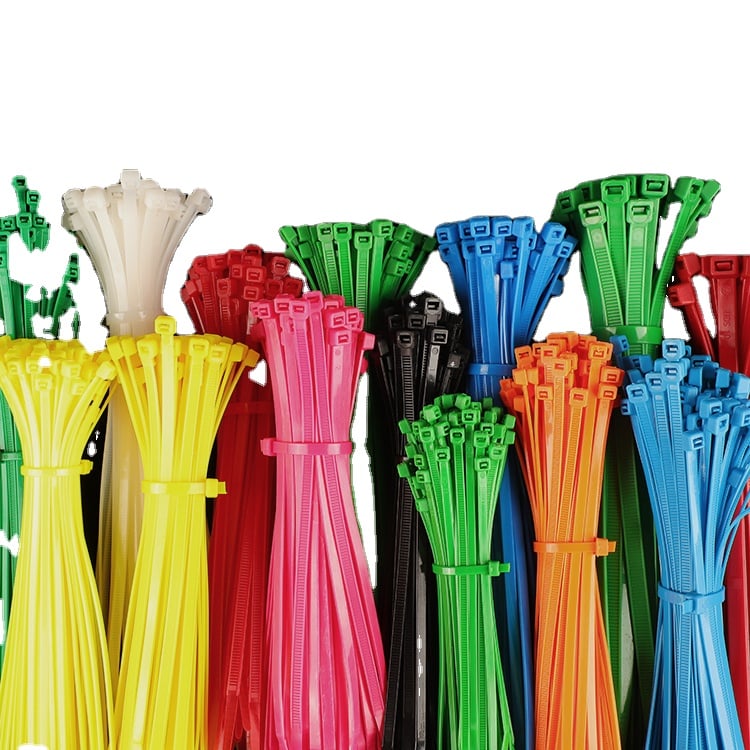
Understanding Nylon Cable Tie Materials and Key Specifications
A reliable nylon cable tie depends on selecting the right material, size, and performance characteristics for the working environment.
Polyamide 66 (PA66), also known as nylon 6/6, is one of the most commonly used materials for cable ties because it provides a good balance of tensile strength, durability, chemical resistance, and temperature performance.
Different nylon cable ties are designed for different applications. Standard PA66 cable ties are widely used for electrical wiring, equipment assembly, and general industrial bundling. For applications involving higher temperatures or continuous outdoor exposure, specially modified materials such as heat-stabilized or UV-resistant nylon grades can provide improved durability.
Key specifications to consider include:
- tensile strength
- tie width and length
- bundle diameter capacity
- operating temperature range
- material grade
- locking mechanism design
The correct combination of these factors helps ensure that the cable tie maintains reliable fastening performance throughout its service life.
PA66 vs. Other Nylon Materials for Cable Tie Applications
PA66 nylon is widely preferred for industrial cable ties due to its strength and balanced mechanical properties.
Compared with some other nylon materials:
- PA66: Offers strong tensile performance and good heat resistance for general industrial applications.
- PA6: Provides good impact resistance and flexibility but may have different strength and temperature characteristics.
- Specialty engineering plastics: May be selected for applications requiring enhanced chemical resistance or extreme environmental performance.
Material selection should always consider actual operating conditions, including temperature changes, chemical exposure, sunlight exposure, and mechanical stress.
Important Performance Factors When Selecting Nylon Cable Ties
Tensile Strength and Temperature Resistance
Tensile strength determines how much load a cable tie can safely hold before failure. Wider and thicker cable ties generally provide higher holding capacity.
However, environmental conditions can influence performance. High temperatures, continuous mechanical stress, and chemical exposure may reduce the strength of standard nylon materials.
For applications such as automotive compartments, industrial equipment, and electrical systems exposed to heat, heat-stabilized nylon cable ties can provide improved temperature resistance.
UV Resistance and Outdoor Durability
Standard nylon may experience aging when exposed to long-term sunlight. UV-resistant nylon cable ties are commonly manufactured with stabilizing additives, such as carbon black, to improve resistance against ultraviolet degradation.
These cable ties are suitable for outdoor applications including:
- solar installations
- telecommunications equipment
- outdoor electrical systems
- construction projects
Selecting the appropriate UV-resistant grade helps maintain fastening reliability in outdoor environments.
Industrial Applications of Nylon Cable Ties
Electrical Wiring and Cable Harness Management
Nylon cable ties play an important role in electrical installation and cable organization.
Common applications include:
- control cabinets
- electrical panels
- automotive wiring harnesses
- machinery assembly
- industrial equipment
Flame-retardant nylon grades can be selected where fire performance requirements apply. Color options and identification markings also help improve installation efficiency and maintenance management.
Outdoor, Telecom, and Solar Applications
Outdoor infrastructure requires cable ties that can withstand environmental exposure.
UV-resistant nylon cable ties are commonly used for:
- fiber optic cable management
- solar panel cable organization
- communication equipment installation
- outdoor lighting systems
For demanding environments, selecting the correct material grade helps improve service reliability and reduce maintenance frequency.
How to Select the Right Nylon Cable Tie for Your Project
Choosing a nylon cable tie requires evaluating both technical requirements and application conditions.
Important factors include:
Bundle Size
The cable tie length should match the required bundle diameter while allowing enough locking engagement for secure fastening.
Installation Environment
Consider:
- indoor or outdoor use
- temperature range
- UV exposure
- chemical contact
- vibration conditions
Compliance Requirements
For industrial projects, customers may require compliance with standards related to:
- material safety
- flame performance
- environmental regulations
- quality management systems
Working with an experienced nylon cable tie manufacturer helps ensure consistent quality and suitable product selection.
Bulk Procurement Considerations for Nylon Cable Tie Buyers
For distributors and industrial buyers, supplier reliability is as important as product specifications.
Before large-volume purchasing, consider:
- material certification availability
- production consistency
- quality inspection processes
- customization capability
- delivery stability
A professional manufacturer should be able to provide different options, including:
- standard nylon cable ties
- UV-resistant cable ties
- heat-resistant cable ties
- custom colors and sizes
- packaging solutions
Selecting the right supplier helps businesses maintain stable product quality and improve supply chain efficiency.
FAQ
What material is commonly used for nylon cable ties?
PA66 nylon is one of the most widely used materials because it provides a good balance of strength, durability, and temperature resistance.
Are nylon cable ties suitable for outdoor use?
Yes. UV-resistant nylon cable ties are designed for outdoor applications where exposure to sunlight and weather conditions may occur.
What factors affect nylon cable tie performance?
Important factors include material grade, tensile strength, size, temperature conditions, UV exposure, and chemical environment.
What is the difference between PA66 and PA6 nylon cable ties?
PA66 generally provides higher strength and temperature resistance, while PA6 may offer different flexibility and impact characteristics.
How can I choose a reliable nylon cable tie supplier?
Evaluate suppliers based on material quality, production capability, certifications, customization options, and consistent delivery performance.
Table of Contents
- Understanding Nylon Cable Tie Materials and Key Specifications
- PA66 vs. Other Nylon Materials for Cable Tie Applications
- Important Performance Factors When Selecting Nylon Cable Ties
- Tensile Strength and Temperature Resistance
- UV Resistance and Outdoor Durability
- Industrial Applications of Nylon Cable Ties
- Electrical Wiring and Cable Harness Management
- Outdoor, Telecom, and Solar Applications
- How to Select the Right Nylon Cable Tie for Your Project
- Bulk Procurement Considerations for Nylon Cable Tie Buyers
- FAQ
- What material is commonly used for nylon cable ties?
- Are nylon cable ties suitable for outdoor use?
- What factors affect nylon cable tie performance?
- What is the difference between PA66 and PA6 nylon cable ties?
- How can I choose a reliable nylon cable tie supplier?
