EN
EN

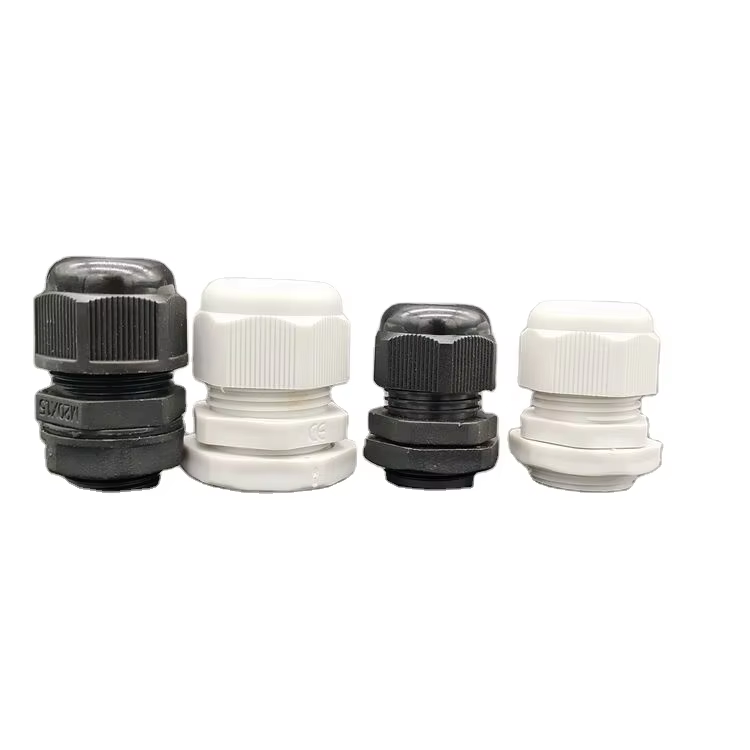
Cable Joint Ensures Electrical Continuity and System Reliability
How poor joint integrity disrupts current flow and triggers cascading failures
Faulty cable joints create electrical resistance hotspots, impeding current flow and generating excessive heat. This thermal stress accelerates insulation degradation and can lead to short circuits. In grid networks, a single compromised joint can initiate cascading failures—as demonstrated when a 400kV transmission line failure in Scotland triggered regional blackouts (Energy Networks Association, 2022). Properly installed joints maintain uniform conductivity, preventing these systemic vulnerabilities.
The science of low-resistance interfaces: minimizing heat, voltage drop, and energy loss
High-performance cable joints use precision-engineered conductive interfaces and compression technology to achieve contact resistance below 5 μΩ. This minimizes two critical issues:
- Joule heating, reduced by 92% versus substandard joints per IEEE 543 testing
- Voltage drop, maintained at <0.5% across the joint
By sustaining optimal electron flow, quality joints prevent energy dissipation as heat—preserving up to 99.7% of transmitted power in medium-voltage networks.
Real-world impact: UK National Grid outage (2022) traced to joint resistance drift
A 2022 blackout affecting 500,000 UK customers originated from a deteriorated 275kV cable joint where resistance had spiked 800% over specification. Forensic analysis revealed oxidation at the conductor interface caused localized overheating, culminating in insulation failure. This event underscores how joint performance directly dictates grid resilience—monitoring data shows properly maintained joints reduce outage risks by 73% (National Infrastructure Commission, 2023).
Cable Joint Prevents Electrical Hazards and Environmental Failure
Moisture, contamination, and aging: primary threats to joint insulation integrity
Moisture ingress, environmental contaminants, and material aging degrade cable joint insulation through multiple pathways. Water penetration creates tracking paths that facilitate flashovers; airborne pollutants like dust or industrial chemicals accelerate electrochemical degradation. Thermal cycling from load variations causes insulation fatigue and microcracking, compromising dielectric strength. For example, aging epoxy composites become brittle after 15–20 years of service, reducing breakdown voltage by up to 40%. These cumulative effects concentrate electrical stress at weak points—significantly increasing risks of ground faults and phase-to-phase short circuits.
Sealing and dielectric design: how modern cable joint solutions suppress arcing and corona
Advanced cable joints employ triple-layer sealing systems with hydrophilic gels and ethylene-propylene-diene terpolymer (EPDM) barriers to block moisture migration. Dielectric innovations include graded conductivity layers that evenly distribute electric fields across the joint interface—eliminating voltage spikes where partial discharges initiate. Semi-conductive stress cones redirect electrical flux away from termination points, while gas-filled voids between insulation layers suppress ionization. This multi-barrier approach reduces corona discharge by 90% compared to conventional designs, effectively preventing the insulation erosion that leads to catastrophic arcs—particularly critical in high-humidity coastal installations where salt spray accelerates failure mechanisms.
Cable Joint Supports Infrastructure Adaptability and Future-Proofing
Field modifications—extending, branching, repairing—depend on robust cable joint systems
Engineers performing field modifications—whether extending circuits, adding branches, or repairing damaged sections—rely on resilient cable joint systems. These installations must withstand mechanical stress and environmental fluctuations while maintaining electrical integrity. Failures during modifications can trigger costly downtime; a 2022 European Energy Agency audit attributed 34% of grid disruption costs to faulty mid-circuit connections. Modern solutions allow real-time adjustments without full system shutdowns, enabling infrastructure evolution alongside demand shifts.
Cold-shrink and prefabricated cable joint adoption in smart grid upgrades (CIGRE 2023 data)
Traditional heat-shrink methods are declining as cold-shrink (curing without flames) and prefabricated cable joint alternatives gain prominence in smart grid retrofits. Industry reports confirm a 17% year-over-year increase in cold-shrink adoption, driven by shorter installation times (≤40 minutes vs. 2+ hours for heat-shrink) and reduced skill requirements. According to CIGRE 2023 data, 89% of European grid upgrades now specify prefabricated joints for underground-to-overhead transitions, slashing failure rates by 63% versus field-molded options. This shift supports rapid renewable integration and voltage upgrades critical for decarbonization.
Selecting the Right Cable Joint: Material, Environment, and Standards Compliance
Optimal cable joint selection requires matching three critical factors to your electrical infrastructure. Material compatibility forms the first pillar—thermoset rubber withstands high temperatures, while silicone maintains flexibility in freezing conditions. Environmental resilience follows: outdoor installations demand UV-resistant seals against solar degradation, and coastal sites need waterproof solutions to prevent saltwater corrosion, where a single moisture breach can increase failure risk by 300% in humid climates. Finally, strict compliance with standards like IEC 60502 (insulation testing) and RoHS hazardous substance restrictions mitigates legal liabilities—non-certified joints caused 43% of project delays in 2023 utility audits. Prioritizing these interlinked elements ensures decades of service without compromising safety or performance.
FAQ
What causes cable joint failures?
Cable joint failures can occur due to thermal stress, moisture ingress, contamination, aging materials, and poor installation. These factors can lead to increased resistance, overheating, and eventual short circuits or insulation degradation.
How do modern cable joints maintain electrical reliability?
Modern cable joints use precision-engineered interfaces, compression technology, and advanced sealing systems to ensure low resistance and prevent moisture migration. These innovations help in maintaining conductivity, reducing energy losses, and enhancing insulation strength.
Why is selecting the right cable joint crucial?
Choosing the correct cable joint involves considering material compatibility, environmental conditions, and compliance with standards. The right choice ensures durability, safety, and long-term performance without legal liabilities.
What are the advantages of cold-shrink and prefabricated cable joints?
Cold-shrink and prefabricated cable joints offer faster installation times, reduced skill requirements, and lower failure rates compared to traditional methods. They are becoming popular in smart grid upgrades for their effectiveness and efficiency.