EN
EN

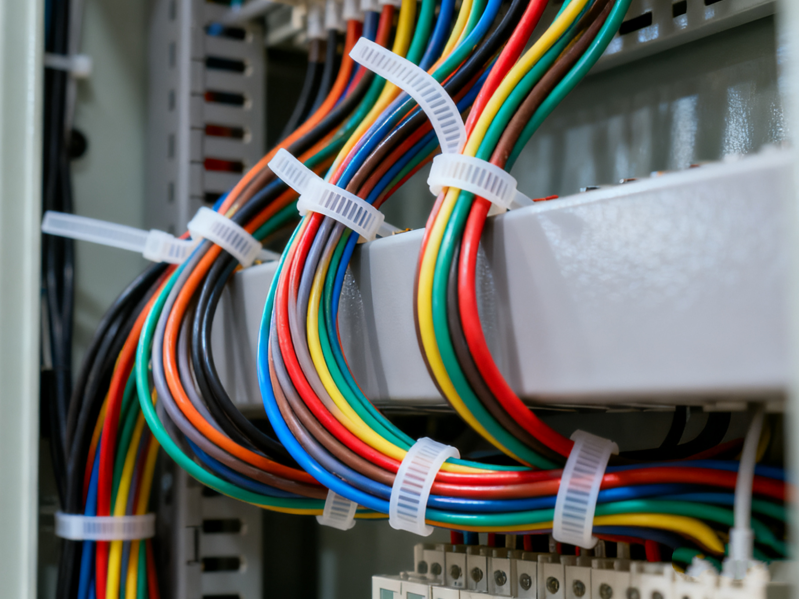
Cable Tie Label as a Foundational Electrical Safety Measure
How misidentified cables trigger arc flash incidents and electrocution risks
When cables aren't properly identified, serious safety issues pop up all over electrical systems. Techs tackling circuits without clear labeling face the real danger of touching live wires, which can trigger arc flashes reaching temperatures above 35,000 degrees Fahrenheit and result in severe burns. These kinds of accidents make up around 80 percent of electrical injuries across factories and plants nationwide. Another major concern comes from incorrectly grounded energized conductors, something that has led to fatalities on job sites. Cable tie labels help cut down on these problems by providing quick and clear visual markers right at the source. This simple step significantly reduces mistakes when performing maintenance work in places like substations or control rooms where voltages run high. The importance of proper labeling becomes even more apparent in situations where several different circuits pass through shared conduits or enclosures, making it impossible to tell them apart until someone grabs their tools.
Compliance imperative: NFPA 70E and NEC Article 110.22 requirements for permanent, legible cable tie label identification
The rules around electrical safety make it clear that proper circuit identification isn't optional. According to NFPA 70E regulations, circuits need to be marked permanently so workers aren't exposed to live equipment dangers. The NEC code in Article 110.22 goes further, stating these markings must stay readable during the entire lifespan of whatever equipment they're attached to. Cable tie labels actually satisfy both requirements because they're built tough enough to withstand things like friction, chemicals, and extreme heat conditions reaching temperatures as high as 221 degrees Fahrenheit (which is about 105 Celsius). These aren't just any old labels though. Handwritten tags tend to smudge over time, and regular adhesive stickers often peel off or become illegible after years of use. That's why many facilities now rely on UL 969 certified cable tie labels instead. Recent data from an OSHA inspection back in 2023 showed that poor labeling was behind nearly two thirds of all electrical safety violations found at workplaces across the country. This kind of oversight can lead to serious problems including fines and legal troubles for companies. When organizations switch to standardized cable tie labeling systems, they create better documentation trails and build stronger cases for compliance during inspections down the road.
Superior Durability and Legibility of Cable Tie Label vs. Traditional Marking Methods
Oil, UV, and thermal resistance: Why printed cable tie labels outperform tape and heat-shrink in live electrical panels
Real world electrical panels need labeling solutions that actually work outside the controlled environment of a lab. The printed cable tie labels we use today stand up better against oil breakdown, fading from sunlight, and all that thermal expansion and contraction that happens in active electrical enclosures. When there's constant heat around, plus lubricants dripping down and sunlight beating on them, regular labels just don't last long before they fail completely. Standard adhesive tapes tend to come loose when exposed to sustained heat. Those heat shrink sleeves? They get brittle under UV light and eventually turn yellowish or brown over time. Thermal transfer printing technology keeps the printed information clear and readable even when dealing with greasy surfaces and extreme temperatures found throughout most industrial facilities. This helps avoid those frustrating situations where important labels disappear right when technicians need them most during critical system checks.
Long-term scannability: UL 969-certified data shows 92% retention after 5 years
UL 969 certification validates performance under accelerated environmental stress—making it the benchmark for long-term legibility. Certified cable tie labels retain 92% scannability after five years of service. In contrast:
| Identification Method | Legibility Retention (5 yrs) | Key Failure Modes |
|---|---|---|
| Adhesive Tape | <60% | Fading, peeling, adhesive bleed |
| Heat-Shrink Sleeves | 70–75% | Cracking, discoloration |
| Cable Tie Labels | 92% | Minimal text degradation |
This reliability reduces relabeling labor and material costs by 71% over infrastructure lifecycles—and ensures consistent, accurate circuit identification without rework or interpretation.
Color-Coding + Cable Tie Label Integration for Risk Reduction and Rapid Response
IEEE 142-2019 alignment: Using standardized color-coding with cable tie label to identify voltage class and circuit function
The IEEE 142-2019 standard brings everyone onto the same page with its color coding system that tells workers about voltage levels and what each circuit does just by looking at it. No more trying to trace wires manually which is prone to mistakes. Instead, people can spot hazards visually right away. When we look at actual cable ties used in facilities, they follow this color scheme pretty much everywhere now. Orange marks those big 480V power lines, while yellow gets assigned to the 120V control wires. Red stands out for those dangerous high voltage feeds coming into buildings. Real world data backs this up too. Places that switched to these colored labels saw almost half as many identification problems compared to when they only had text labels according to the Data Center Efficiency Study from last year. Technicians get a heads up on potential dangers before touching anything, which makes lockout tagout procedures much safer. Plus, these colored labels meet the requirements set forth in NEC Article 110.22 regarding clear and lasting circuit identification where safety matters most.
Utility substation case study: 37% faster fault isolation with combined color and cable tie label clarity
A local power station saw remarkable improvements after implementing colored cable tie labels. The time needed to isolate faults during a real-world 13kV phase-to-ground incident dropped from around 17 and a half minutes down to just over 11 minutes. Workers could quickly spot which circuits were problematic thanks to the red labels, while avoiding confusion with blue tagged control lines that weren't involved. This cut out all the second guessing that usually happens when things go wrong. During testing over twelve months, close calls at the facility fell by nearly 30 percent. That proves clear visual cues really do stop mistakes happening when people are stressed and working fast. Getting those wires properly labeled paid off in several ways too. Equipment further along the line stayed protected, customers experienced shorter power cuts, and it showed just how something as simple as good labeling can make a big difference to safety on site.
FAQ
Why are cable tie labels important for electrical safety?
Cable tie labels are important because they provide clear and permanent identification of cables, reducing the risk of arc flashes and electrocution incidents during maintenance and inspection tasks.
What regulations must cable tie labels comply with?
Cable tie labels must comply with NFPA 70E regulations for permanent marking and NEC Article 110.22 requirements for readability throughout the equipment's lifespan.
How do cable tie labels compare to traditional marking methods?
Cable tie labels outperform traditional methods like adhesive tape and heat-shrink sleeves in terms of durability, legibility retention, and resistance to environmental stressors like oil, UV light, and extreme temperatures.
What is the role of color-coding in cable tie labels?
Color-coding helps identify voltage class and circuit function, enabling quick visual identification and reducing errors during electrical work.
How do cable tie labels affect fault isolation in utility substations?
Cable tie labels, especially when color-coded, can significantly reduce the time needed to isolate faults, improving operational efficiency and safety in utility substations.