EN
EN

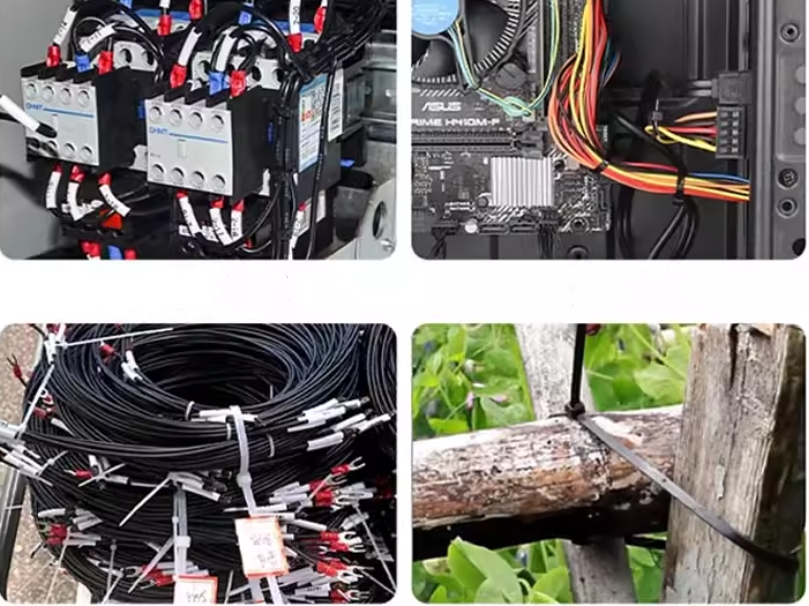
Precision Automation for Wire Harness Production
How Crimping, Cutting, and Stripping Machines Eliminate Manual Bottlenecks
When workers handle wire processing manually, there's always going to be some inconsistency and wasted time. Strip lengths tend to vary quite a bit, sometimes off by as much as plus or minus 1.5 millimeters. And let's face it, most people just can't keep up with more than about 120 crimps per hour before mistakes start happening. That's where automated systems come into play. These machines have laser guides that cut wires within a tight range of plus or minus 0.2 mm according to Mingching Cable research from last year. They also crank out over 500 wires every hour, which makes a huge difference on production lines. The crimping part is especially important too. These precision systems deliver exactly the right amount of pressure each time, which means far fewer bad connections. Factories report around a 63 percent drop in failed connections when switching from hand crimping. What does this actually mean for operations? Less rework needed, faster assembly times for complex harnesses with multiple branches, and somewhere between 15 to 22 extra hours per week available across each production line. Those saved hours aren't just sitting around unused either they get put toward checking product quality and figuring out ways to make processes even better down the road.
Real-World ROI: Case Study of a 37% Cycle Time Reduction
A leading industrial supplier deployed servo-driven cut-strip-crimp machines across six assembly cells, pairing them with inline electrical testing and PLC-integrated controls. The result was:
- 37% faster harness completion, dropping average cycle time from 53 to 33 minutes
- 92% reduction in terminal connection defects
- $18,300/month saved in labor and material waste
ROI was achieved within eight months. The modular architecture enabled plug-and-play integration with legacy control infrastructure—minimizing retrofit downtime and preserving existing automation investments.
Smart Cable Management Systems for Reliability and EMI Control
Reducing Unplanned Downtime Through Shielded Routing and Structural Segmentation
Around 23% of unexpected stoppages in manufacturing plants can be traced back to electromagnetic interference (EMI), according to Industry Operations Journal from last year. When control signals get messed up in important equipment, whole production lines can grind to a halt. Shielded routing works by wrapping cables in conductive materials like braided metal or foil. This blocks outside electrical noise and keeps internal emissions contained within their own space. Another trick is structural segmentation, which means separating power lines from data lines physically. This stops them from talking to each other when they shouldn't, something that really damages signal quality over time. These methods work well together in places with lots of electrical noise, such as areas filled with robots working nonstop. Companies have found that using color codes on conduits and clearly marking different zones cuts down on how long it takes to find problems by about 30%. Organizing cable trays properly also makes air flow better around panels, cutting the chance of overheating inside closed cabinets by roughly 18%. For operations involving heavy vibrations, special EMI rated trays with gaskets help maintain stable performance throughout shifts, so expensive breakdowns don't happen just because things shook too much.
High-Performance Wiring Equipment for Harsh and Dynamic Environments
TPE-Jacketed Conductors and Flex-Optimized Designs for CNC and Robotic Cells
Standard wiring fails under the thermal, mechanical, and chemical stresses of CNC machining centers and robotic work cells—where temperatures swing from –40°C to 125°C, motion cycles exceed 10 million, and exposure to coolants, oils, and abrasion is constant. Thermoplastic Elastomer (TPE)-jacketed conductors deliver proven resilience:
- Resistance to oils, solvents, and acidic contaminants
- Flex life retention across extreme motion cycles
- Superior abrasion resistance against sharp metal edges
Designs optimized for flexibility often include helical wraps along with built-in strain relief features that stop failures caused by repeated stress. When applied to those fast moving robotic arms used in manufacturing, this approach slashes cable changes by about 92 percent and cuts unexpected downtime down around 37% according to a recent Industrial Maintenance report from 2023. Plus, signals stay clear even when there's lots of electromagnetic interference around. The numbers get really interesting for car manufacturers too since every hour their wiring systems fail costs them roughly $740k on average. That makes tough TPE insulated wiring not just something nice to have but actually essential if they want their operations running smoothly day after day.
Digital Labelling and Traceability Solutions for Faster Troubleshooting
Laser-Etched QR Codes and Integrated Documentation Reduce Diagnostic Time by 83%
Old school troubleshooting methods depend heavily on manual tracing and paper documents, which just slows things down and opens the door for mistakes. Now there's something better going on with laser etched QR codes that get embedded right into connectors, sleeves, and those junction blocks around town. Scan one of these bad boys and boom! Instant access pops up on any mobile device showing schematics, installation records, and past service details. Take it from a major player in the automation field who saw their diagnostic times drop an incredible 83%. What used to take hours now gets fixed in mere minutes. Let's face it, sticky labels don't last long anyway. They peel off, fade away, or get all smudged up. Not so with laser etching though. These codes hold up against oil soak, temperature swings, and even constant shaking from machinery vibrations. When connected to digital twin systems, this whole tracking setup slashes human errors down by nearly half according to Industrial Efficiency Journal back in 2023. And the benefits keep coming...
- Instant data retrieval: Real-time specs and maintenance records at point of need
- Error-proof identification: Unique, tamper-resistant IDs prevent miswiring in dense panels
- Automated compliance: Built-in audit trails meet ISO 13849 requirements without manual documentation
By anchoring physical wiring to its digital counterpart, manufacturers accelerate root-cause analysis—and shift maintenance teams from reactive firefighting to proactive system optimization.
FAQ
What are the key benefits of automation in wire harness production?
Automation in wire harness production offers higher consistency, increases production speed, and reduces errors significantly compared to manual processes. This results in faster assembly times and less required rework.
How does smart cable management help in manufacturing?
Smart cable management helps reduce electromagnetic interference, decrease the duration of unplanned downtime, and enhance signal quality. It assists in quicker problem identification and resolution, reducing downtime by around 30%.
What advantages do TPE-jacketed conductors provide?
TPE-jacketed conductors offer resistance to oils, solvents, and acid contaminants, along with a high flex life and abrasion resistance, making them suitable for harsh and dynamic environments.