EN
EN

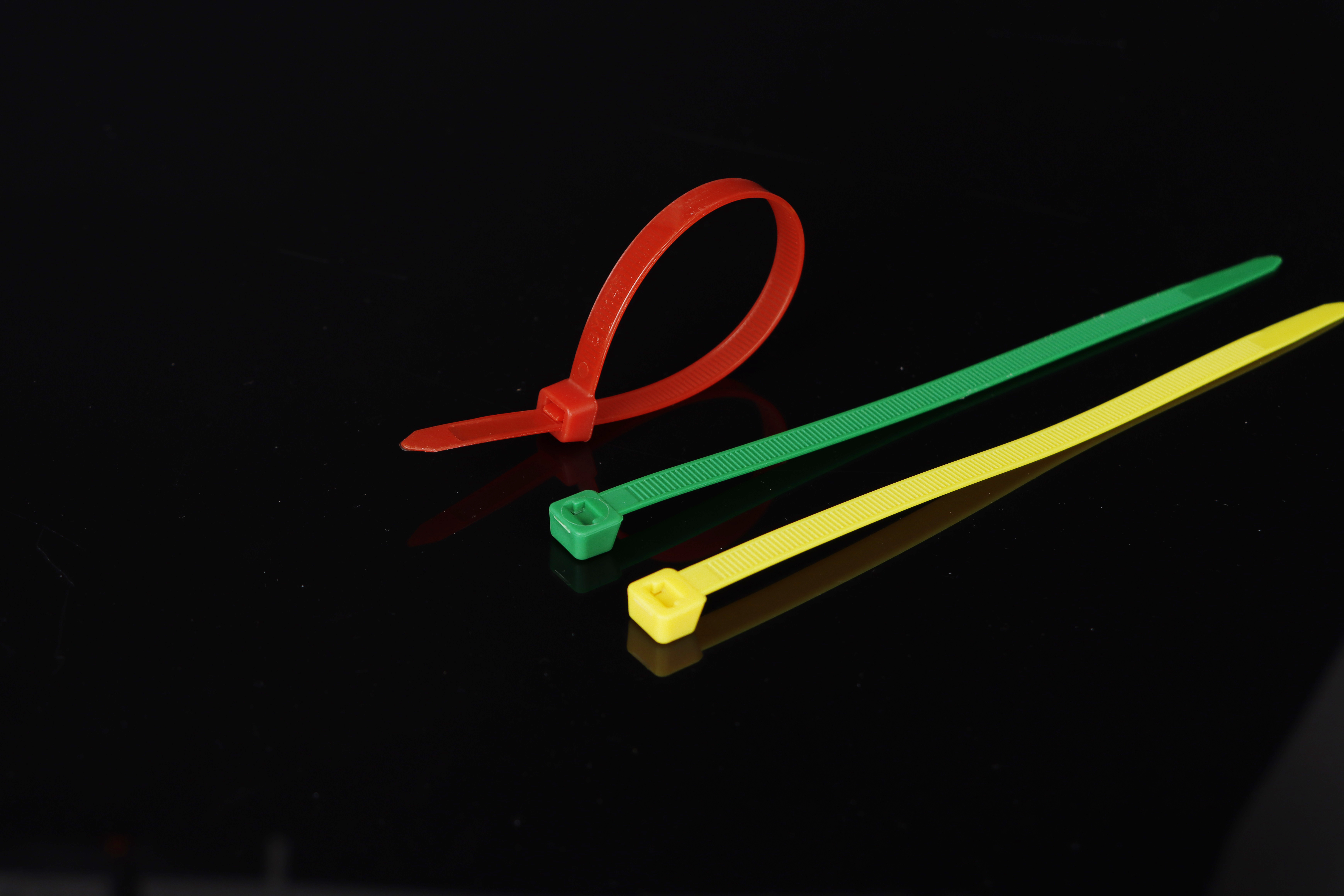
Unmatched Strength and Reliability in Demanding Engineering Environments
Tensile strength, vibration resistance, and long-term performance under cyclic loads
Nylon cable ties can handle serious tension, often going well beyond 50 pounds before breaking, which makes them really important when it comes to holding down those heavy wire bundles in all sorts of industrial equipment. These ties stand up pretty well against vibrations too, so they don't break down easily in places like car engines where parts get shaken around constantly throughout the year, probably seeing thousands upon thousands of stress cycles. Metal clips tend to rust over time, and cheaper plastic alternatives just get brittle eventually, but nylon stays flexible even when temperatures swing from super cold (-40 degrees Celsius) right up to quite warm conditions (around 85 degrees). We've seen this play out on factory floors with robots doing repetitive tasks day after day. After about five years running nonstop, these nylon ties still hold up with minimal loss in strength, usually under 5%, showing why manufacturers rely on them so much in situations where something snapping could cause major problems.
Self-locking mechanism and structural design ensuring consistent load retention
The pawl and ratchet system is engineered for maximum precision, providing a locking mechanism that stops any backward movement even when subjected to continuous vibrations at frequencies as high as 200 Hz. This kind of reliability matters a lot in sensitive environments like airplanes and server farms where failure isn't an option. The tie body features structural ribs that spread out mechanical stress across the entire component rather than letting it build up in specific spots which could lead to breakdowns. Real world tests on offshore wind turbines have demonstrated impressive results too. After three years in service, these systems maintained their grip at about 99.8% effectiveness. That beats standard stainless steel bands hands down since those need regular adjustments because they tend to loosen over time from things like material creep and temperature changes.
Material Science Edge: Why PA66 Nylon Cable Tie Dominates Critical Applications
PA66 vs. PA6, PA12, and PA46 – Balancing Strength, Thermal Stability, and Cost for Engineering Use
When looking at materials for tough engineering jobs, Polyamide 66 or PA66 really shines not because it's perfect everywhere, but because it hits that sweet spot between strength, heat handling, and what it costs to produce. The numbers tell part of the story too PA66 has about 15% more tensile strength compared to regular PA6, sitting around 85 MPa versus roughly 74 MPa. And when things get hot, PA66 stays put where others might melt away, with a melting point hitting 260 degrees Celsius compared to just 215 for PA6. That makes all the difference in places like car engines where temperatures run wild. Now PA12 does flex better in cold conditions, working down to minus 40 degrees Celsius, but it loses almost 30% in tensile strength against PA66. Then there's PA46 which can handle up to 200 degrees Celsius, but comes with a price tag that's 30% higher, so most companies pass on using it for big projects. Most engineers stick with PA66 because they know it holds up under stress with around 8.5% elongation before breaking, resists UV damage when exposed outdoors, and works well in everything from cars to factory equipment and even wind turbines these days.
Certified Heat Resistance, UV Stability, and Chemical Resistance (ASTM D638 / ISO 527)
The strength of PA66 has been tested against global standards like ASTM D638 and ISO 527 when it comes to tension tests. It works reliably across temperatures ranging from minus 40 degrees Celsius all the way up to 85 degrees Celsius. What makes this material stand out? Well, it holds a UL 94 V-0 rating which means fires don't spread easily inside electrical boxes made with it. Independent labs have actually checked that these parts won't break down from sunlight exposure for at least three years straight outdoors. And let's not forget about what happens in real factories either. PA66 stands up pretty well against things like motor oil, mild acid solutions, and even those harsh chlorinated chemicals workers deal with daily. Because of all these certifications and real world testing results, manufacturers trust PA66 for important jobs where something going wrong would be both dangerous and costly. Think about electric vehicle battery connections or managing cables on large solar farms. These are situations where a material failure isn't just inconvenient but could lead to serious problems down the road.
Compliance-Driven Deployment: Safety Certifications and Industry-Specific Requirements
UL 94 V-0, RoHS, and REACH compliance for electrical panels, data centers, and automotive systems
When it comes to safety standards, compliance really isn't something companies can skip over. The UL 94 V-0 rating checks how well materials resist flames, which matters a lot in electrical equipment. Imagine what happens when there's a short circuit inside a panel cabinet. Non-rated plastics just melt away and let fires spread faster. Then we have RoHS and REACH regulations too. These rules put hard caps on dangerous chemicals such as lead, cadmium, and certain plasticizers throughout everything from manufacturing to disposal. Meeting these standards isn't just good practice anymore. It's practically required if businesses want to sell products anywhere outside their own backyard. From smartphones to electric vehicles, manufacturers need these certifications stamped on their paperwork before anyone will buy what they make.
- Data centers, where dense cabling demands failsafe, non-propagating materials in server racks
- Automotive platforms exposed to engine bay heat, vibration, and chemical splash
- Industrial control panels, where downtime from material-related failure can cost $740,000/hour (Ponemon Institute, 2023)
Non-compliant alternatives introduce avoidable risk–both in regulatory enforcement and real-world incident response.
Smart Selection and Efficient Installation of Nylon Cable Tie in Real-World Engineering Projects
Sizing guidelines by bundle diameter – from machinery harnesses to photovoltaic arrays
Picking the correct cable tie starts with measuring the cable bundle properly. If the tie is too large, it won't hold tight enough and may come loose over time. On the flip side, going too small can actually damage cables during temperature changes or when machines vibrate. Industrial equipment typically uses bundles between 10 to 25 mm wide, so 4.8 mm wide ties work best for these applications where both grip strength and protection against strain are needed. Solar panel installations present different challenges since their conduits often measure anywhere from 50 to 100 mm across. These larger bundles need at least 7.6 mm wide ties because they have to handle significant expansion from heat and still keep everything securely fastened. A good practice learned from field experience is to allow extra space by increasing the size calculation by around 20%. This buffer helps prevent problems caused by unexpected expansion in harsh weather conditions or near heat sources.
Time and labor savings: tool-assisted vs. hand-tightened nylon cable tie deployment
Using tools during installation really boosts efficiency on projects. According to Electrical Contractor Journal from 2023, deployment times drop by around 65% when using these tools instead of going old school with manual methods. Pneumatic tensioners work great because they deliver consistent pulling power between 50 and 80 pounds, which means components stay locked down without vibrating loose. This matters a lot in those crowded data centers where getting the right torque makes all the difference for how long equipment lasts. Hand tightening still works okay for quick fixes here and there, but it creates problems with consistency. Some research shows technician variation can reach up to 30% in tension levels. When looking at big operations like wiring harness manufacturing in automotive plants, tool-based systems can handle more than 800 ties each hour while manual workers struggle to hit even 120. The gap is pretty staggering when considering volume requirements.
| Method | Speed (ties/hour) | Tension Consistency | Best Use Case |
|---|---|---|---|
| Tool-assisted | 800+ | ±5% variance | High-density installations |
| Hand-tightened | 120 | ±30% variance | Emergency repairs |
FAQ
Why are Nylon cable ties preferred over metal clips?
Nylon cable ties are preferred over metal clips because they resist rust and remain flexible under a wide range of temperatures, unlike metal clips which can rust over time.
What is PA66 Nylon and why is it used?
PA66 Nylon is a type of polyamide that's used in demanding engineering applications due to its balanced strength, heat resistance, and cost efficiency.
Are there certifications for Nylon cable ties?
Yes, PA66 Nylon cable ties come with various certifications like UL 94 V-0 rating and compliance with RoHS and REACH regulations for safety in electrical and automotive industries.
Table of Contents
- Unmatched Strength and Reliability in Demanding Engineering Environments
- Material Science Edge: Why PA66 Nylon Cable Tie Dominates Critical Applications
- Compliance-Driven Deployment: Safety Certifications and Industry-Specific Requirements
- Smart Selection and Efficient Installation of Nylon Cable Tie in Real-World Engineering Projects
- FAQ